Buy hohn.eu ?
We are moving the project
hohn.eu .
Are you interested in purchasing the domain
hohn.eu ?
domain@kv-gmbh.de · 0541-91531010
Buy hohn.eu ?
What is a self-erasing operating system?
A self-erasing operating system is a type of software that automatically deletes or erases itself from a device after a certain period of time or under specific conditions. This can be used for security purposes to ensure that sensitive information or data is not left behind on a device. Self-erasing operating systems are often used in high-security environments or for devices that may be at risk of being lost or stolen. **
What is the difference between operating resources and operating materials?
Operating resources are the assets used by a company to carry out its day-to-day operations, such as machinery, equipment, and vehicles. On the other hand, operating materials are the consumable items used in the production process, such as raw materials, components, and supplies. While operating resources are more long-term assets that help in the production process, operating materials are used up in the production process and need to be replenished regularly. **
Similar search terms for Self-operating
Top-Angebote
Products related to Self-operating:
-
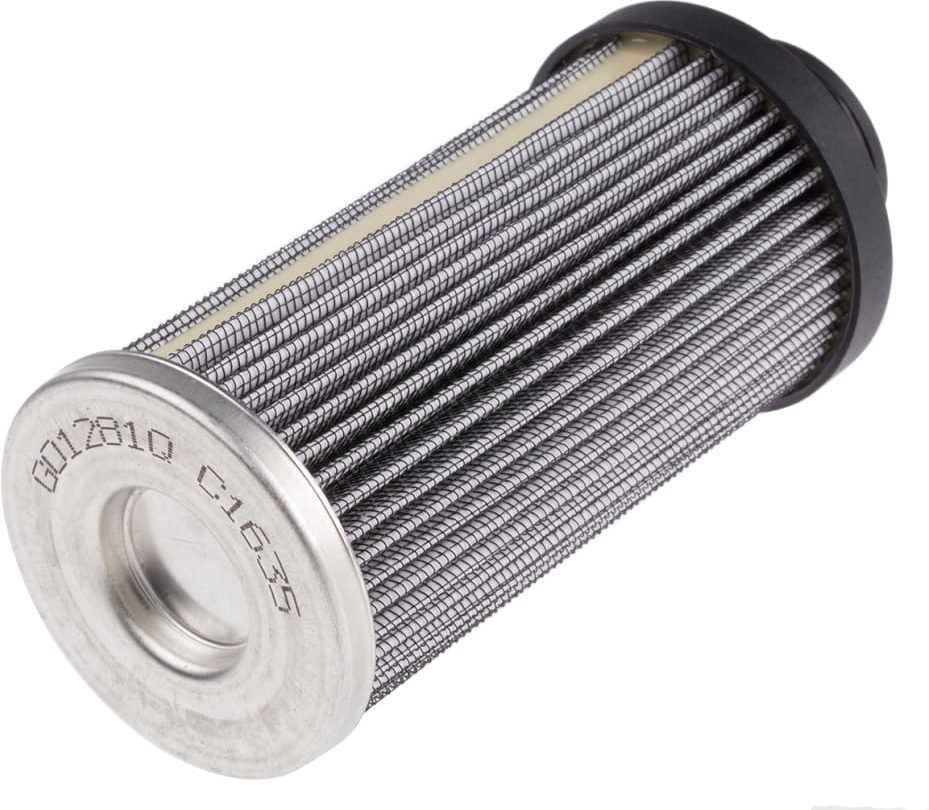
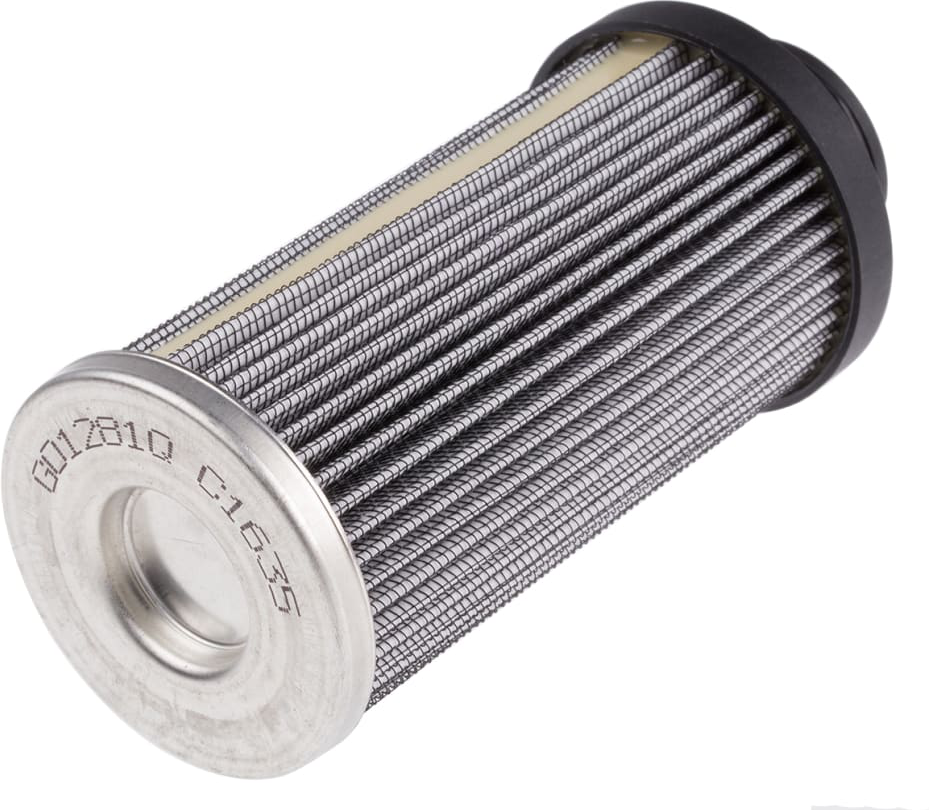
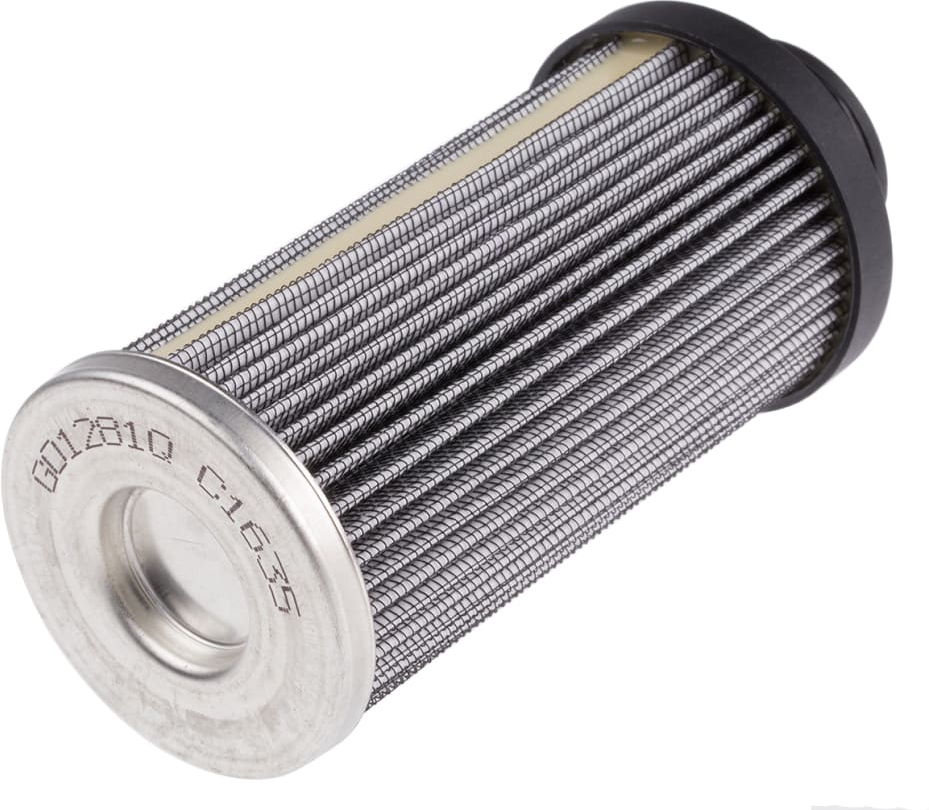
FEBI BILSTEIN 1001764 Filter, operating hydraulicsFilter type: Spin-on Filter; Height: 168; Outer Diameter [mm]: 135; Internal Thread [inch]: 1 3/4 - 16 UNF; Gasket inside diameter [mm]: 99; Gasket outside diameter [mm]: 110; Weight [kg]: 1,43032,49 £*Shipping: 8,45 £Secure redirect to the provider



-
What are raw materials, auxiliary materials, or operating materials?
Raw materials are the basic materials used in the production of goods. They are typically natural resources such as wood, metal, or agricultural products. Auxiliary materials are used to support the production process, such as lubricants, cleaning agents, or packaging materials. Operating materials are the supplies and tools used in the day-to-day operations of a business, such as office supplies, maintenance tools, or safety equipment. These materials are essential for the production and operation of goods and services. **
-
Is it allowed to wear self-tanner in the operating room?
No, it is not allowed to wear self-tanner in the operating room. Self-tanner can potentially contaminate the sterile environment of the operating room, posing a risk to the patient's health. It is important to adhere to strict hygiene and dress code guidelines in the operating room to ensure the safety of both the patient and the surgical team. **
-
What is the difference between auxiliary materials and operating materials?
Auxiliary materials are items that support the production process but are not directly used in the final product, such as lubricants, cleaning agents, or tools. Operating materials, on the other hand, are materials that are directly used in the production process and become part of the final product, such as raw materials or components. In summary, auxiliary materials are used to facilitate production, while operating materials are essential for the production of the final product. **
-
What is the difference between building materials, operating materials, and supplementary materials?
Building materials are used in the construction of a structure, such as wood, concrete, steel, and bricks. Operating materials are items used to maintain and operate a building, like cleaning supplies, light bulbs, and HVAC filters. Supplementary materials are additional items that may not be essential for the structure but can enhance its functionality or aesthetics, such as decorative finishes, landscaping materials, or furniture. **

Can someone explain the terms reserve materials, building materials, and operating materials?
Reserve materials are items kept in stock for future use, typically for emergencies or unexpected situations. Building materials are used in the construction or renovation of structures, such as wood, concrete, and steel. Operating materials are supplies necessary for the day-to-day functioning of a business or organization, like office supplies, cleaning products, and maintenance tools. Each term refers to specific types of materials needed for different purposes within a given context. **
What is the difference between raw materials, operating materials, and auxiliary materials?
Raw materials are the basic materials used in the production of goods, such as wood, metal, or oil. Operating materials are the materials used in the day-to-day operations of a business, such as office supplies, cleaning supplies, or packaging materials. Auxiliary materials are materials that support the production process but are not directly used in the final product, such as lubricants, solvents, or maintenance supplies. Each type of material plays a different role in the production and operation of a business. **
Top-Angebote
Products related to Self-operating:
-
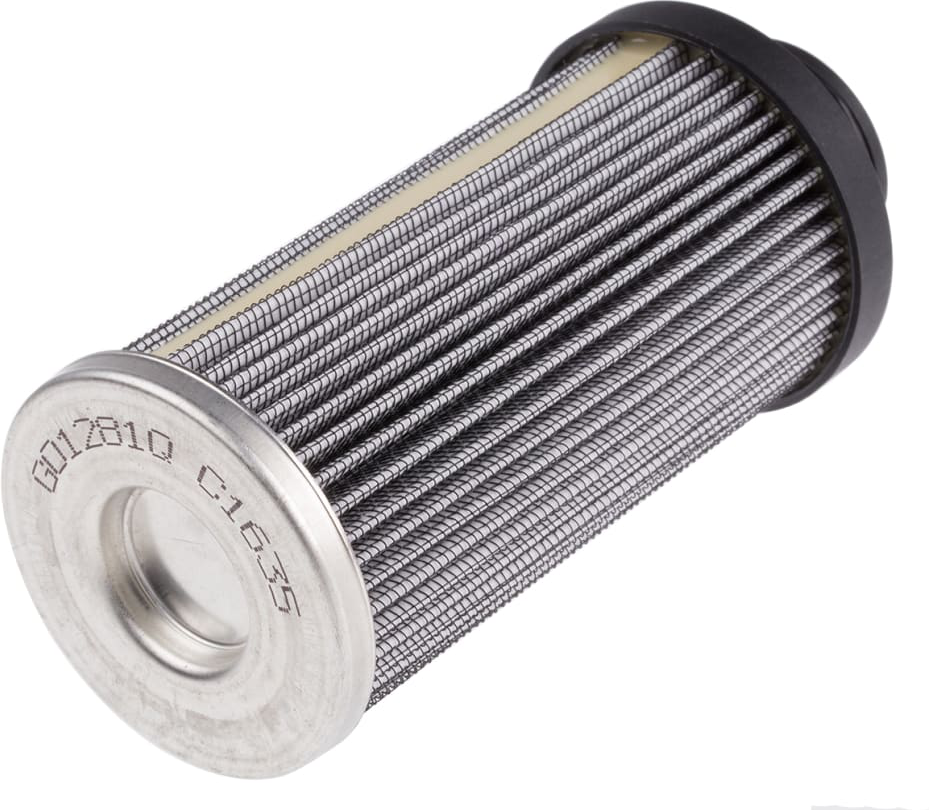
FEBI BILSTEIN 1001764 Filter, operating hydraulicsFilter type: Spin-on Filter; Height: 168; Outer Diameter [mm]: 135; Internal Thread [inch]: 1 3/4 - 16 UNF; Gasket inside diameter [mm]: 99; Gasket outside diameter [mm]: 110; Weight [kg]: 1,43032,49 £*Shipping: 8,45 £Secure redirect to the provider
-
What is a self-erasing operating system?
A self-erasing operating system is a type of software that automatically deletes or erases itself from a device after a certain period of time or under specific conditions. This can be used for security purposes to ensure that sensitive information or data is not left behind on a device. Self-erasing operating systems are often used in high-security environments or for devices that may be at risk of being lost or stolen. **
-
What is the difference between operating resources and operating materials?
Operating resources are the assets used by a company to carry out its day-to-day operations, such as machinery, equipment, and vehicles. On the other hand, operating materials are the consumable items used in the production process, such as raw materials, components, and supplies. While operating resources are more long-term assets that help in the production process, operating materials are used up in the production process and need to be replenished regularly. **
-
What are raw materials, auxiliary materials, or operating materials?
Raw materials are the basic materials used in the production of goods. They are typically natural resources such as wood, metal, or agricultural products. Auxiliary materials are used to support the production process, such as lubricants, cleaning agents, or packaging materials. Operating materials are the supplies and tools used in the day-to-day operations of a business, such as office supplies, maintenance tools, or safety equipment. These materials are essential for the production and operation of goods and services. **
-
Is it allowed to wear self-tanner in the operating room?
No, it is not allowed to wear self-tanner in the operating room. Self-tanner can potentially contaminate the sterile environment of the operating room, posing a risk to the patient's health. It is important to adhere to strict hygiene and dress code guidelines in the operating room to ensure the safety of both the patient and the surgical team. **
Similar search terms for Self-operating
-
What is the difference between auxiliary materials and operating materials?
Auxiliary materials are items that support the production process but are not directly used in the final product, such as lubricants, cleaning agents, or tools. Operating materials, on the other hand, are materials that are directly used in the production process and become part of the final product, such as raw materials or components. In summary, auxiliary materials are used to facilitate production, while operating materials are essential for the production of the final product. **
-
What is the difference between building materials, operating materials, and supplementary materials?
Building materials are used in the construction of a structure, such as wood, concrete, steel, and bricks. Operating materials are items used to maintain and operate a building, like cleaning supplies, light bulbs, and HVAC filters. Supplementary materials are additional items that may not be essential for the structure but can enhance its functionality or aesthetics, such as decorative finishes, landscaping materials, or furniture. **
-
Can someone explain the terms reserve materials, building materials, and operating materials?
Reserve materials are items kept in stock for future use, typically for emergencies or unexpected situations. Building materials are used in the construction or renovation of structures, such as wood, concrete, and steel. Operating materials are supplies necessary for the day-to-day functioning of a business or organization, like office supplies, cleaning products, and maintenance tools. Each term refers to specific types of materials needed for different purposes within a given context. **
-
What is the difference between raw materials, operating materials, and auxiliary materials?
Raw materials are the basic materials used in the production of goods, such as wood, metal, or oil. Operating materials are the materials used in the day-to-day operations of a business, such as office supplies, cleaning supplies, or packaging materials. Auxiliary materials are materials that support the production process but are not directly used in the final product, such as lubricants, solvents, or maintenance supplies. Each type of material plays a different role in the production and operation of a business. **
* All prices are inclusive of VAT and, if applicable, plus shipping costs. The offer information is based on the details provided by the respective shop and is updated through automated processes. Real-time updates do not occur, so deviations can occur in individual cases. ** Note: Parts of this content were created by AI.