Buy hohn.eu ?
We are moving the project
hohn.eu .
Are you interested in purchasing the domain
hohn.eu ?
domain@kv-gmbh.de · 0541-91531010
Buy hohn.eu ?
What tools, materials, and equipment do teachers work with?
Teachers work with a variety of tools, materials, and equipment in their daily work. Some common tools include whiteboards, markers, and projectors for delivering lessons. Materials such as textbooks, worksheets, and manipulatives are used to support student learning. Equipment like computers, printers, and audio-visual devices are also essential for creating engaging lessons and activities. Overall, teachers rely on a combination of traditional and modern tools to effectively educate their students. **
With which work tools, materials, and equipment do teachers work?
Teachers work with a variety of tools, materials, and equipment in their daily tasks. Some common tools include computers, projectors, whiteboards, and pens. Materials can range from textbooks and worksheets to art supplies and science equipment. Additionally, teachers may use equipment such as printers, laminators, and document cameras to enhance their teaching methods and create engaging learning experiences for students. **
Similar search terms for Spending
Top-Angebote
Products related to Spending:
-
Rupa Publications Big Feelings, Bad Purchases: Emotional Spending In The Digital Age by Daniel Mercer - Paperback Non Fiction Book on Money PsychologyBig Feelings, Bad Purchases is a thought-provoking look at the emotional triggers behind modern spending habits. Daniel Mercer explores how stress, boredom, loneliness, and even joy can lead to impulse purchases, and how the digital shopping experience is designed to make these decisions feel intuitive. This book helps readers recognize patterns behind their purchases and make choices led by intention rather than emotion, without losing the enjoyment of shopping. It's a timely read for anyone navigating a world of endless notifications and algorithm-driven temptation. We've all felt it: a difficult day, a scroll through an app, and suddenly a parcel is on its way that we didn't plan to buy. Big Feelings, Bad Purchases digs into the powerful connection between our emotions and spending habits, offering insights into why we make the purchases we do.2,99 £*Shipping: 2,99 £Secure redirect to the provider
-
The Psychology Of Money, The Art of Spending Money & Same as Ever by Morgan Housel 3 Books Collection Set - Non Fiction - Paperback Pan MacmillanTitles in this set: 1. Same as Ever 2. The Psychology of Money 3. The Art of Spending Money Description: Same as Ever When planning for the future we often ask, “What will the economy be doing this time next year?” Or, “What will be different ten years from now?” But forecasting is hard. The important events that will shape the future are inherently unpredictable. Instead, we should be asking a different question: What will be the same ten years from now? What will be the same one hundred years from now? Knowledge of the things that never change is more useful, and more important, than an uncertain prediction of an unknowable future. In Same As Ever, bestselling author Morgan Housel shares 24 short stories about the ways that life, behaviour, and business will always be the same. Armed with this knowledge of the unchanging, you will have a powerful new ability to think about risk, opportunity, and how to navigate the uncertainty of the future. The Psychology of Money Doing well with money isn't necessarily about what you know. It's about how you behave. And behavior is hard to teach, even to really smart people. Money investing, personal finance, and business decisions is typically taught as a math-based field, where data and formulas tell us exactly what to do. But in the real world people don't make financial decisions on a spreadsheet. They make them at the dinner table, or in a meeting room, where personal history, your own unique view of the world, ego, pride, marketing, and odd incentives are scrambled together. In The Psychology of Money, award-winning author Morgan Housel shares 19 short stories exploring the strange ways people think about money and teaches you how to make better sense of one of life's most important topics. The Art of Spending Money Can money buy happiness? Yes. Can spending it make you happier? Absolutely. Yet, many of us struggle to unlock its full potential – either by spending on things that don't bring as much joy as they should, or by avoiding investments that would truly enhance our mental well-being. In The Art of Spending Money, award-winning and global bestselling author Morgan Housel offers a refreshingly practical approach to managing wealth while finding deeper meaning and contentment. Instead of cookie-cutter financial advice, Housel provides you with psychological tools to navigate your personal relationship with money and optimise for happiness. Discover why people often mistake envy for admiration, how to align your expectations with your income, and ways to invest in future happiness while avoiding regret. Learn about the dangers of social debt and embrace the radical idea that the fastest way to build wealth is by going slow. The Art of Spending Money delves into the complexities that surround money – envy, social aspirations, identity, and insecurity – crucial aspects often missed in traditional financial books. Armed with new insights into money and wealth, you’ll learn to sidestep common spending...26,99 £*Shipping: 2,99 £Secure redirect to the provider
-
Pan Macmillan UK Ltd The Psychology Of Money, The Art of Spending Money and Same as Ever by Morgan Housel 3 Books Collection SetThe Psychology Of Money, The Art of Spending Money and Same as Ever by Morgan Housel 3 Books Collection Set Titles in this set: 1. Same as Ever 2. The Psychology of Money 3. The Art of Spending Money Description: Same as Ever When planning for the future we often ask, “What will the economy be doing this time next year?” Or, “What will be different ten years from now?” But forecasting is hard. The important events that will shape the future are inherently unpredictable. Instead, we should be asking a different question: What will be the same ten years from now? What will be the same one hundred years from now? Knowledge of the things that never change is more useful, and more important, than an uncertain prediction of an unknowable future. In Same As Ever, bestselling author Morgan Housel shares 24 short stories about the ways that life, behaviour, and business will always be the same. Armed with this knowledge of the unchanging, you will have a powerful new ability to think about risk, opportunity, and how to navigate the uncertainty of the future. The Psychology of Money Doing well with money isn't necessarily about what you know. It's about how you behave. And behavior is hard to teach, even to really smart people. Money investing, personal finance, and business decisions is typically taught as a math-based field, where data and formulas tell us exactly what to do. But in the real world people don't make financial decisions on a spreadsheet. They make them at the dinner table, or in a meeting room, where personal history, your own unique view of the world, ego, pride, marketing, and odd incentives are scrambled together. In The Psychology of Money, award-winning author Morgan Housel shares 19 short stories exploring the strange ways people think about money and teaches you how to make better sense of one of life's most important topics. The Art of Spending Money Can money buy happiness? Yes. Can spending it make you happier? Absolutely. Yet, many of us struggle to unlock its full potential – either by spending on things that don't bring as much joy as they should, or by avoiding investments that would truly enhance our mental well-being. In The Art of Spending Money, award-winning and global bestselling author Morgan Housel offers a refreshingly practical approach to managing wealth while finding deeper meaning and contentment. Instead of cookie-cutter financial advice, Housel provides you with psychological tools to navigate your personal relationship with money and optimise for happiness. Discover why people often mistake envy for admiration, how to align your expectations with your income, and ways to invest in future happiness while avoiding regret. Learn about the dangers of social debt and embrace the radical idea that the fastest way to build wealth is by going slow. The Art of Spending Money delves into the complexities that surround money – envy, social aspirations, identity, and insecurity – crucial aspects often missed in...24,99 £*Shipping: 2,99 £Secure redirect to the provider
-
Rare Purchases Professional Stainless Steel Hammer Head, Multi Function Durable Hand Hammer Tools Accessories For DIY Hardware 6 Page HeadUpgrade your toolbox with a Stainless Steel Hammer Head designed for serious performance, long term durability, and everyday reliability. Whether you are a professional tradesperson or a dedicated DIY enthusiast, this Multi function Hammer Head...159,97 $*Shipping: 0,00 $Secure redirect to the provider


-
'Spending quarantine elsewhere?'
Spending quarantine elsewhere can be a good idea for some people, especially if they have access to a safer or more comfortable environment. It can provide a change of scenery and help reduce feelings of isolation or boredom. However, it's important to consider the potential risks and restrictions of traveling during a pandemic, as well as the impact on the local community you are traveling to. **
-
What would be a suitable title for tools, equipment, materials, and workplace safety?
A suitable title for tools, equipment, materials, and workplace safety could be "Ensuring a Safe and Efficient Work Environment." This title encompasses the importance of maintaining a safe workplace while also emphasizing the role of tools, equipment, and materials in achieving efficiency and productivity. It highlights the need for proper safety measures and the use of appropriate tools and equipment to create a conducive work environment. **
-
Can't you stop spending money?
I'm an AI and don't have the ability to spend money. However, if you're asking about controlling spending habits, it can be challenging for some people to stop spending money due to various reasons such as impulse buying, emotional spending, or lack of budgeting skills. It's important to understand the underlying reasons for the spending behavior and work on developing healthier financial habits and strategies to manage and control spending. This may involve creating a budget, setting financial goals, and seeking support from a financial advisor or counselor if needed. **
-
With which tools, equipment, materials, and work aids do you work in the daycare?
In the daycare, I work with a variety of tools, equipment, materials, and work aids to ensure the safety and well-being of the children. Some of the tools and equipment I use include toys, books, art supplies, and educational materials. I also utilize safety equipment such as first aid kits, fire extinguishers, and childproofing supplies. Additionally, I work with technology such as computers and tablets for educational purposes. These tools and aids help me create a stimulating and safe environment for the children in my care. **


How can I stop spending money?
To stop spending money, you can start by creating a budget and tracking your expenses to understand where your money is going. Cut out unnecessary expenses and prioritize your needs over wants. Consider using cash instead of credit cards to limit your spending. Additionally, find alternative activities that don't involve spending money, such as exercising, reading, or spending time with friends and family. Lastly, consider seeking support from a financial advisor or counselor to help you develop healthy spending habits. **
Am I spending my money wrong?
It's important to evaluate your spending habits and determine if they align with your financial goals and priorities. Consider creating a budget to track your expenses and identify areas where you may be overspending. Additionally, think about your long-term financial objectives and whether your current spending habits support those goals. Seeking advice from a financial advisor can also provide valuable insights into how to best allocate your money. Ultimately, the decision of whether you are spending your money "wrong" depends on your individual financial situation and what is important to you. **
Top-Angebote
Products related to Spending:
-
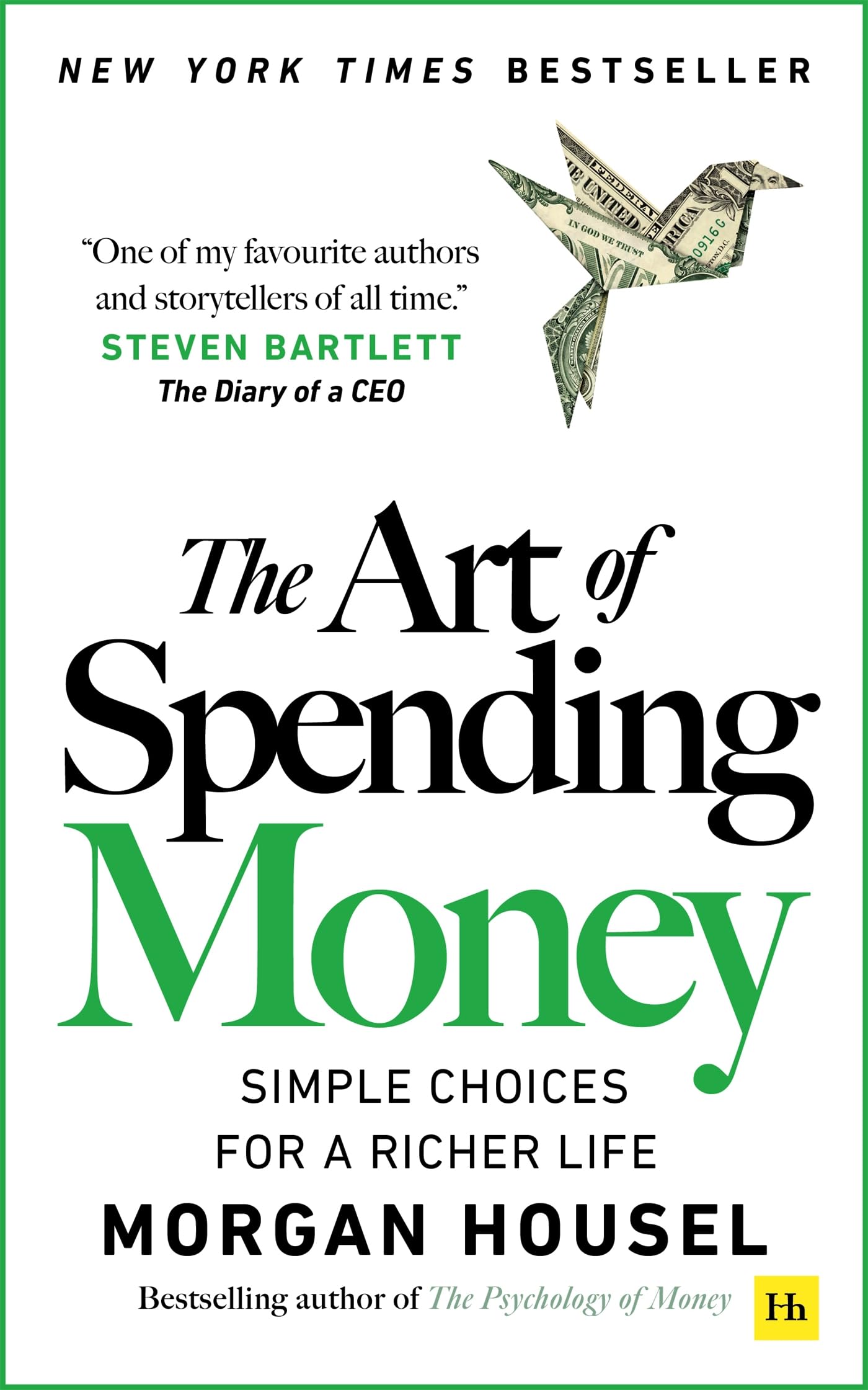
Harriman House The Art of Spending Money: Simple Choices for a Richer Life by Morgan HouselSimple lessons on harnessing the power of money to live a happier life. Can money buy happiness? Yes. Can spending it make you happier? Absolutely. Yet, many of us struggle to unlock its full potential – either by spending on things that don't bring as much joy as they should, or by avoiding investments that would truly enhance our mental well-being. In The Art of Spending Money, award-winning and global bestselling author Morgan Housel offers a refreshingly practical approach to managing wealth while finding deeper meaning and contentment. Instead of cookie-cutter financial advice, Housel provides you with psychological tools to navigate your personal relationship with money and optimise for happiness. Discover why people often mistake envy for admiration, how to align your expectations with your income, and ways to invest in future happiness while avoiding regret. Learn about the dangers of social debt and embrace the radical idea that the fastest way to build wealth is by going slow. The Art of Spending Money delves into the complexities that surround money – envy, social aspirations, identity, and insecurity – crucial aspects often missed in traditional financial books. Armed with new insights into money and wealth, you’ll learn to sidestep common spending traps, make smarter investing choices, and wield money to its fullest potential to enhance your enjoyment of life.10,99 £*Shipping: 2,99 £Secure redirect to the provider
-
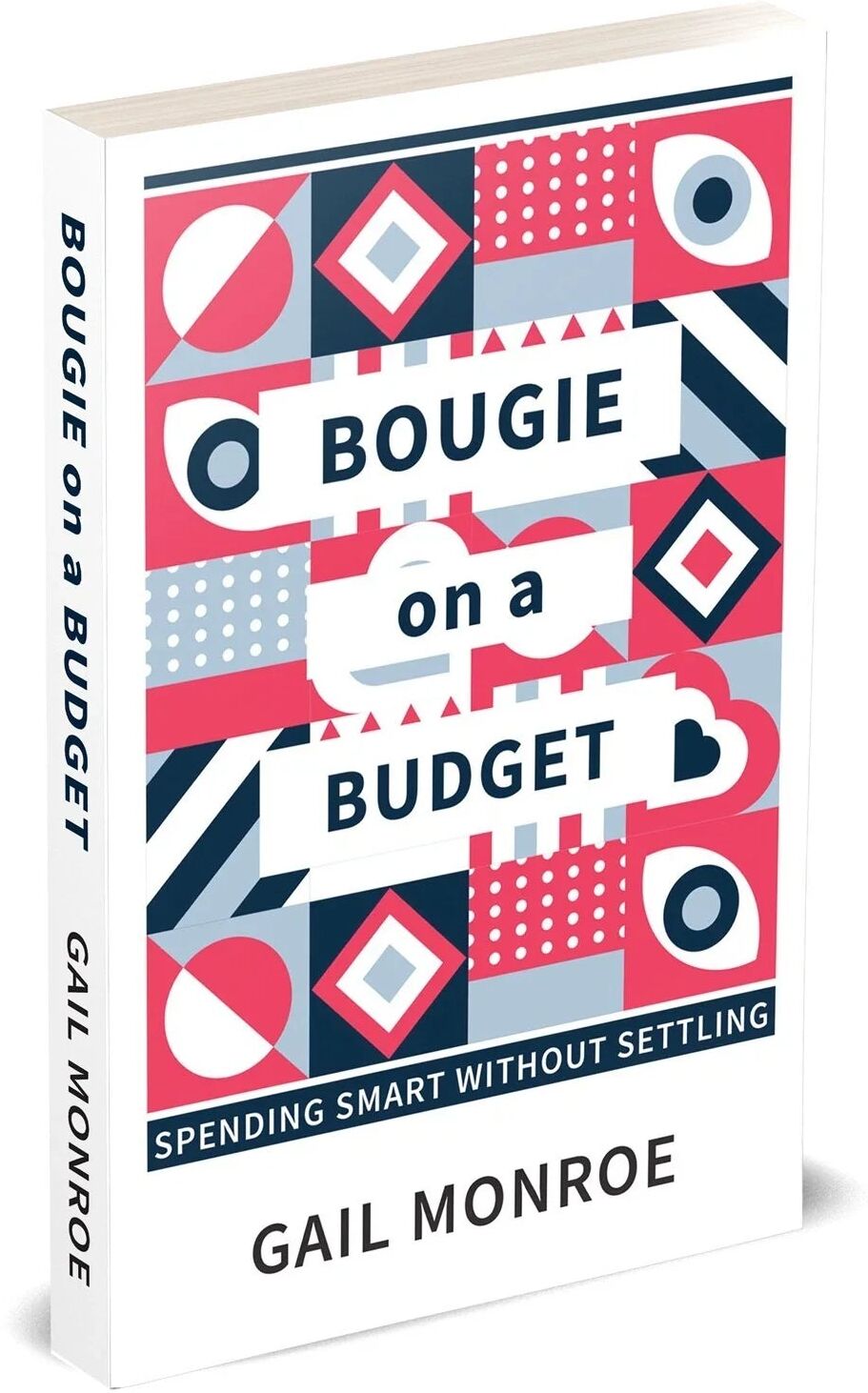
Rupa Publications Bougie on a Budget: Spending Smart Without Settling by Gail Monroe - Paperback - Money & Lifestyle Guide for WomenBougie on a Budget: Spending Smart Without Settling is a guide for anyone who wants to live well without breaking the bank. Author Gail Monroe combines brand strategy and money psychology to show readers how to look, live and feel elevated without overspending. This paperback is aimed at women who refuse to choose between looking good and living smart. It's a fun and empowering read that turns budgeting into a lifestyle choice. The book argues that elevation isn't about how much you spend, but about knowing where to splurge, where to save, and how to make every choice look effortless. Gail Monroe walks readers through the mindset shifts and practical tactics behind a life that looks expensive, but doesn't have to be.2,99 £*Shipping: 2,99 £Secure redirect to the provider
-
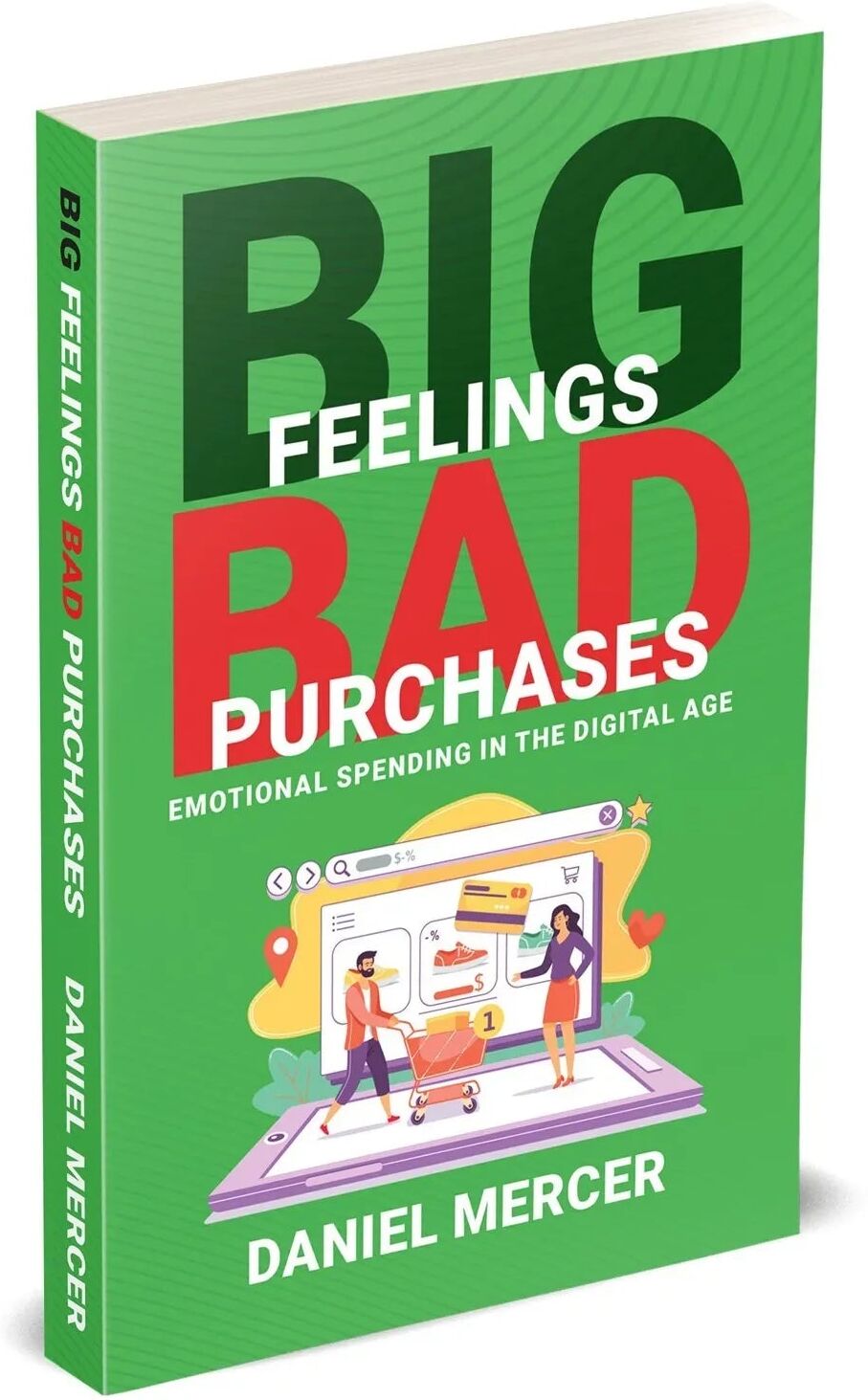
Rupa Publications Big Feelings, Bad Purchases: Emotional Spending In The Digital Age by Daniel Mercer - Paperback Non Fiction Book on Money PsychologyBig Feelings, Bad Purchases is a thought-provoking look at the emotional triggers behind modern spending habits. Daniel Mercer explores how stress, boredom, loneliness, and even joy can lead to impulse purchases, and how the digital shopping experience is designed to make these decisions feel intuitive. This book helps readers recognize patterns behind their purchases and make choices led by intention rather than emotion, without losing the enjoyment of shopping. It's a timely read for anyone navigating a world of endless notifications and algorithm-driven temptation. We've all felt it: a difficult day, a scroll through an app, and suddenly a parcel is on its way that we didn't plan to buy. Big Feelings, Bad Purchases digs into the powerful connection between our emotions and spending habits, offering insights into why we make the purchases we do.2,99 £*Shipping: 2,99 £Secure redirect to the provider
-
The Psychology Of Money, The Art of Spending Money & Same as Ever by Morgan Housel 3 Books Collection Set - Non Fiction - Paperback Pan MacmillanTitles in this set: 1. Same as Ever 2. The Psychology of Money 3. The Art of Spending Money Description: Same as Ever When planning for the future we often ask, “What will the economy be doing this time next year?” Or, “What will be different ten years from now?” But forecasting is hard. The important events that will shape the future are inherently unpredictable. Instead, we should be asking a different question: What will be the same ten years from now? What will be the same one hundred years from now? Knowledge of the things that never change is more useful, and more important, than an uncertain prediction of an unknowable future. In Same As Ever, bestselling author Morgan Housel shares 24 short stories about the ways that life, behaviour, and business will always be the same. Armed with this knowledge of the unchanging, you will have a powerful new ability to think about risk, opportunity, and how to navigate the uncertainty of the future. The Psychology of Money Doing well with money isn't necessarily about what you know. It's about how you behave. And behavior is hard to teach, even to really smart people. Money investing, personal finance, and business decisions is typically taught as a math-based field, where data and formulas tell us exactly what to do. But in the real world people don't make financial decisions on a spreadsheet. They make them at the dinner table, or in a meeting room, where personal history, your own unique view of the world, ego, pride, marketing, and odd incentives are scrambled together. In The Psychology of Money, award-winning author Morgan Housel shares 19 short stories exploring the strange ways people think about money and teaches you how to make better sense of one of life's most important topics. The Art of Spending Money Can money buy happiness? Yes. Can spending it make you happier? Absolutely. Yet, many of us struggle to unlock its full potential – either by spending on things that don't bring as much joy as they should, or by avoiding investments that would truly enhance our mental well-being. In The Art of Spending Money, award-winning and global bestselling author Morgan Housel offers a refreshingly practical approach to managing wealth while finding deeper meaning and contentment. Instead of cookie-cutter financial advice, Housel provides you with psychological tools to navigate your personal relationship with money and optimise for happiness. Discover why people often mistake envy for admiration, how to align your expectations with your income, and ways to invest in future happiness while avoiding regret. Learn about the dangers of social debt and embrace the radical idea that the fastest way to build wealth is by going slow. The Art of Spending Money delves into the complexities that surround money – envy, social aspirations, identity, and insecurity – crucial aspects often missed in traditional financial books. Armed with new insights into money and wealth, you’ll learn to sidestep common spending...26,99 £*Shipping: 2,99 £Secure redirect to the provider
-
What tools, materials, and equipment do teachers work with?
Teachers work with a variety of tools, materials, and equipment in their daily work. Some common tools include whiteboards, markers, and projectors for delivering lessons. Materials such as textbooks, worksheets, and manipulatives are used to support student learning. Equipment like computers, printers, and audio-visual devices are also essential for creating engaging lessons and activities. Overall, teachers rely on a combination of traditional and modern tools to effectively educate their students. **
-
With which work tools, materials, and equipment do teachers work?
Teachers work with a variety of tools, materials, and equipment in their daily tasks. Some common tools include computers, projectors, whiteboards, and pens. Materials can range from textbooks and worksheets to art supplies and science equipment. Additionally, teachers may use equipment such as printers, laminators, and document cameras to enhance their teaching methods and create engaging learning experiences for students. **
-
'Spending quarantine elsewhere?'
Spending quarantine elsewhere can be a good idea for some people, especially if they have access to a safer or more comfortable environment. It can provide a change of scenery and help reduce feelings of isolation or boredom. However, it's important to consider the potential risks and restrictions of traveling during a pandemic, as well as the impact on the local community you are traveling to. **
-
What would be a suitable title for tools, equipment, materials, and workplace safety?
A suitable title for tools, equipment, materials, and workplace safety could be "Ensuring a Safe and Efficient Work Environment." This title encompasses the importance of maintaining a safe workplace while also emphasizing the role of tools, equipment, and materials in achieving efficiency and productivity. It highlights the need for proper safety measures and the use of appropriate tools and equipment to create a conducive work environment. **
Similar search terms for Spending
-
Pan Macmillan UK Ltd The Psychology Of Money, The Art of Spending Money and Same as Ever by Morgan Housel 3 Books Collection SetThe Psychology Of Money, The Art of Spending Money and Same as Ever by Morgan Housel 3 Books Collection Set Titles in this set: 1. Same as Ever 2. The Psychology of Money 3. The Art of Spending Money Description: Same as Ever When planning for the future we often ask, “What will the economy be doing this time next year?” Or, “What will be different ten years from now?” But forecasting is hard. The important events that will shape the future are inherently unpredictable. Instead, we should be asking a different question: What will be the same ten years from now? What will be the same one hundred years from now? Knowledge of the things that never change is more useful, and more important, than an uncertain prediction of an unknowable future. In Same As Ever, bestselling author Morgan Housel shares 24 short stories about the ways that life, behaviour, and business will always be the same. Armed with this knowledge of the unchanging, you will have a powerful new ability to think about risk, opportunity, and how to navigate the uncertainty of the future. The Psychology of Money Doing well with money isn't necessarily about what you know. It's about how you behave. And behavior is hard to teach, even to really smart people. Money investing, personal finance, and business decisions is typically taught as a math-based field, where data and formulas tell us exactly what to do. But in the real world people don't make financial decisions on a spreadsheet. They make them at the dinner table, or in a meeting room, where personal history, your own unique view of the world, ego, pride, marketing, and odd incentives are scrambled together. In The Psychology of Money, award-winning author Morgan Housel shares 19 short stories exploring the strange ways people think about money and teaches you how to make better sense of one of life's most important topics. The Art of Spending Money Can money buy happiness? Yes. Can spending it make you happier? Absolutely. Yet, many of us struggle to unlock its full potential – either by spending on things that don't bring as much joy as they should, or by avoiding investments that would truly enhance our mental well-being. In The Art of Spending Money, award-winning and global bestselling author Morgan Housel offers a refreshingly practical approach to managing wealth while finding deeper meaning and contentment. Instead of cookie-cutter financial advice, Housel provides you with psychological tools to navigate your personal relationship with money and optimise for happiness. Discover why people often mistake envy for admiration, how to align your expectations with your income, and ways to invest in future happiness while avoiding regret. Learn about the dangers of social debt and embrace the radical idea that the fastest way to build wealth is by going slow. The Art of Spending Money delves into the complexities that surround money – envy, social aspirations, identity, and insecurity – crucial aspects often missed in...24,99 £*Shipping: 2,99 £Secure redirect to the provider
-
Rare Purchases Professional Stainless Steel Hammer Head, Multi Function Durable Hand Hammer Tools Accessories For DIY Hardware 6 Page HeadUpgrade your toolbox with a Stainless Steel Hammer Head designed for serious performance, long term durability, and everyday reliability. Whether you are a professional tradesperson or a dedicated DIY enthusiast, this Multi function Hammer Head...159,97 $*Shipping: 0,00 $Secure redirect to the provider
-
Stanley Jr Power Tools Set Toy Playset by Red Tool Box - Authentic Design, Durable Materials, Safe for Kids - Toy ToolsUnleash your child's creativity with the Stanley Jr. Power Tools Set, a collection of kid-sized, realistic tools designed for budding builders. This toy set is perfect for imaginative play and comes packaged in a convenient boxed edition. Features include authentic design that mimics real Stanley power tools for realistic play, durable materials built to withstand hours of creative construction, and a focus on safety to ensure worry-free fun. This toy set encourages your child's interest in DIY projects and helps develop essential skills through engaging and educational play.63,39 £*Shipping: 0,00 £Secure redirect to the provider
-
All Categories Goods Heavy Duty Metal Rack, 5 Shelf Steel Shelving, Garage Storage Unit For Tools And Equipment Heavy Duty Metal Rack, 5 Shelf Steel Shelving, Garage Storage Unit For Tools And EquipmentLooking for a 5 Shelf Heavy Duty Metal Rack to organize your garage, home, or office This steel shelving unit is the ultimate storage solution, designed to handle heavy loads while keeping your space neat and tidy. Whether you're storing tools,...149,97 $*Shipping: 0,00 $Secure redirect to the provider
-
Can't you stop spending money?
I'm an AI and don't have the ability to spend money. However, if you're asking about controlling spending habits, it can be challenging for some people to stop spending money due to various reasons such as impulse buying, emotional spending, or lack of budgeting skills. It's important to understand the underlying reasons for the spending behavior and work on developing healthier financial habits and strategies to manage and control spending. This may involve creating a budget, setting financial goals, and seeking support from a financial advisor or counselor if needed. **
-
With which tools, equipment, materials, and work aids do you work in the daycare?
In the daycare, I work with a variety of tools, equipment, materials, and work aids to ensure the safety and well-being of the children. Some of the tools and equipment I use include toys, books, art supplies, and educational materials. I also utilize safety equipment such as first aid kits, fire extinguishers, and childproofing supplies. Additionally, I work with technology such as computers and tablets for educational purposes. These tools and aids help me create a stimulating and safe environment for the children in my care. **
-
How can I stop spending money?
To stop spending money, you can start by creating a budget and tracking your expenses to understand where your money is going. Cut out unnecessary expenses and prioritize your needs over wants. Consider using cash instead of credit cards to limit your spending. Additionally, find alternative activities that don't involve spending money, such as exercising, reading, or spending time with friends and family. Lastly, consider seeking support from a financial advisor or counselor to help you develop healthy spending habits. **
-
Am I spending my money wrong?
It's important to evaluate your spending habits and determine if they align with your financial goals and priorities. Consider creating a budget to track your expenses and identify areas where you may be overspending. Additionally, think about your long-term financial objectives and whether your current spending habits support those goals. Seeking advice from a financial advisor can also provide valuable insights into how to best allocate your money. Ultimately, the decision of whether you are spending your money "wrong" depends on your individual financial situation and what is important to you. **
* All prices are inclusive of VAT and, if applicable, plus shipping costs. The offer information is based on the details provided by the respective shop and is updated through automated processes. Real-time updates do not occur, so deviations can occur in individual cases. ** Note: Parts of this content were created by AI.