Buy hohn.eu ?
We are moving the project
hohn.eu .
Are you interested in purchasing the domain
hohn.eu ?
domain@kv-gmbh.de · 0541-91531010
Buy hohn.eu ?
What is a cerebral ischemia?
Cerebral ischemia is a condition in which there is a lack of blood flow to the brain, leading to a decrease in oxygen and nutrient supply to brain cells. This can result from a blockage in the blood vessels supplying the brain, such as a blood clot or plaque buildup, or from a decrease in blood flow due to other factors like low blood pressure. Cerebral ischemia can lead to brain damage and neurological deficits if not promptly treated. Common symptoms include sudden weakness, numbness, or paralysis on one side of the body, difficulty speaking, and vision problems. **
Is infantile cerebral palsy considered a severe disability?
Infantile cerebral palsy is considered a severe disability as it can significantly impact a child's motor function, coordination, and muscle control. It can also affect speech, vision, and cognitive abilities. Individuals with infantile cerebral palsy may require ongoing therapy, assistive devices, and support to manage their condition and participate in daily activities. The severity of the disability can vary depending on the individual and the extent of their condition. **

Similar search terms for Equisalud-Pai-11-Holopai-Cerebral
Top-Angebote
Products related to Equisalud-Pai-11-Holopai-Cerebral:
-
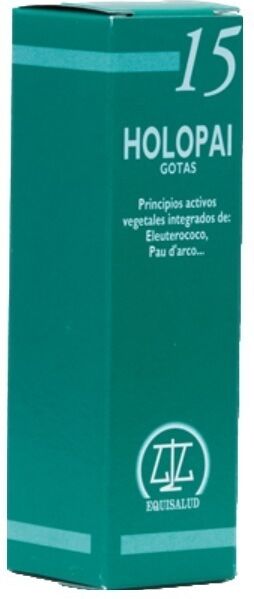
Equisalud Pai-15 Holopai Antidegenerative 31 mlNutrition and Supplements Natural Extracts Equisalud Pai-15 Holopai Antidegenerative 31 ml Take 20 to 30 drops, 3 times per day. Dissolve drops in half a glass of water or juice. In some cases it may be suitable to increase the dosage, which will not cause any side effects. 31ml.11,37 £*Shipping: 3,99 £Secure redirect to the provider
-
Equisalud Pai-5 Holopai Rheumatic Conditions 31 mlNutrition and Supplements Natural Extracts Equisalud Pai-5 Holopai Rheumatic Conditions 31 ml Take 20 to 30 drops, 3 times per day. Dissolve drops in half a glass of water or juice. In some cases it may be suitable to increase the dosage, which will not cause any side effects.10,90 £*Shipping: 3,99 £Secure redirect to the provider
-
Equisalud Pai-1A Holopai Nervous Balancing 31 mlNutrition and Supplements Natural Extracts Equisalud Pai-1A Holopai Nervous Balancing 31 ml Take 20 to 30 drops, 3 times per day. Dissolve drops in half a glass of water or juice. In some cases it may be suitable to increase the dosage, which will not cause any side effects. 31ml.11,48 £*Shipping: 3,99 £Secure redirect to the provider
-
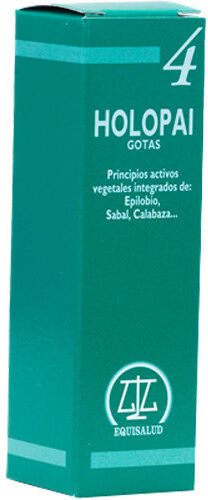
Equisalud Pai-4 Holopai Prostate Inflammation 31 mlNutrition and Supplements Natural Extracts Equisalud Pai-4 Holopai Prostate Inflammation 31 ml Take 20 to 30 drops, 3 times per day. Dissolve drops in half a glass of water or juice. In some cases it may be suitable to increase the dosage, which will not cause any side effects.9,91 £*Shipping: 3,99 £Secure redirect to the provider


-
What causes severe anxiety after a cerebral thrombosis?
Severe anxiety after a cerebral thrombosis can be caused by a variety of factors. The sudden and unexpected nature of the event can lead to feelings of fear and uncertainty about the future. Physical and cognitive changes resulting from the thrombosis, such as difficulty speaking or moving, can also contribute to anxiety. Additionally, the potential for future strokes or complications may increase anxiety levels in individuals who have experienced a cerebral thrombosis. **
-
What causes intense fear after a cerebral thrombosis?
Intense fear after a cerebral thrombosis can be caused by a variety of factors. The sudden and unexpected nature of the event can lead to feelings of vulnerability and anxiety. Additionally, the physical and cognitive changes that can result from a cerebral thrombosis, such as difficulty speaking or moving, can be frightening and disorienting. The fear of experiencing another stroke or the fear of long-term disability can also contribute to intense fear after a cerebral thrombosis. Finally, the emotional impact of facing mortality and the uncertainty of the future can also lead to intense fear. **
-
What tools, materials, and equipment do teachers work with?
Teachers work with a variety of tools, materials, and equipment in their daily work. Some common tools include whiteboards, markers, and projectors for delivering lessons. Materials such as textbooks, worksheets, and manipulatives are used to support student learning. Equipment like computers, printers, and audio-visual devices are also essential for creating engaging lessons and activities. Overall, teachers rely on a combination of traditional and modern tools to effectively educate their students. **
-
Does infantile cerebral palsy count as a severe disability?
Yes, infantile cerebral palsy can be considered a severe disability. Cerebral palsy is a group of disorders that affect a person's ability to move and maintain balance and posture. Infantile cerebral palsy specifically refers to the condition that develops in infancy or early childhood. Depending on the severity of the condition, it can significantly impact a person's mobility, coordination, and daily functioning, making it a severe disability for some individuals. **
With which work tools, materials, and equipment do teachers work?
Teachers work with a variety of tools, materials, and equipment in their daily tasks. Some common tools include computers, projectors, whiteboards, and pens. Materials can range from textbooks and worksheets to art supplies and science equipment. Additionally, teachers may use equipment such as printers, laminators, and document cameras to enhance their teaching methods and create engaging learning experiences for students. **
Why does the cerebral cortex have an enlarged surface area?
The cerebral cortex has an enlarged surface area to accommodate a greater number of neurons and synapses, allowing for more complex cognitive functions. This increased surface area also enables more efficient communication between different regions of the brain, enhancing information processing and integration. The folding of the cerebral cortex into gyri and sulci further increases its surface area within the limited space of the skull, maximizing its capacity for higher-order thinking and decision-making. **
Top-Angebote
Products related to Equisalud-Pai-11-Holopai-Cerebral:
-
Equisalud Pai-11 Holopai Cerebral Circulation 31 mlNutrition and Supplements Natural Extracts Equisalud Pai-11 Holopai Cerebral Circulation 31 ml Holopai 11. Drops. Diluents: absolute alcohol, water and glycerin. Content: bottle of 31 ml.: take 20 drops (0.7 ml) to 30 drops (1 ml), dissolved in half a glass of water or juice (100 ml). Three times a day. With dropper. Sometimes it will be convenient to increase the frequency of the shots, which does not cause any side effects. Recommended daily amount: from 60 drops (2 ml) to 90 drops (3 ml). Allergens: does not contain gluten. Warnings: food supplement based on plants. Food supplements should not be used as substitutes for a varied and balanced diet. Do not exceed the daily dose expressly recommended. Keep out of the reach of little kids. Ask your doctor and / or pharmacist for advice. Observations: net quantity: 31 ml approx. It contains 65% alcohol approx. Conservation: keep the container tightly closed, in a cool and dry place.12,13 £*Shipping: 3,99 £Secure redirect to the provider
-
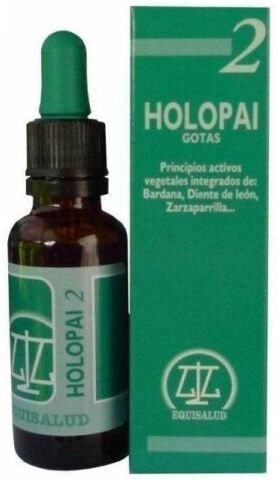
Equisalud Pai-2 Holopai (General Purification)Nutrition and Supplements Natural Extracts Equisalud Pai-2 Holopai (General Purification) Take 20 to 30 drops, 3 times per day. Dissolve drops in half a glass of water or juice. In some cases it may be suitable to increase the dosage, which will not cause any side effects. 31ml.9,12 £*Shipping: 3,99 £Secure redirect to the provider
-
Equisalud Pai-15 Holopai Antidegenerative 31 mlNutrition and Supplements Natural Extracts Equisalud Pai-15 Holopai Antidegenerative 31 ml Take 20 to 30 drops, 3 times per day. Dissolve drops in half a glass of water or juice. In some cases it may be suitable to increase the dosage, which will not cause any side effects. 31ml.11,37 £*Shipping: 3,99 £Secure redirect to the provider
-
Equisalud Pai-5 Holopai Rheumatic Conditions 31 mlNutrition and Supplements Natural Extracts Equisalud Pai-5 Holopai Rheumatic Conditions 31 ml Take 20 to 30 drops, 3 times per day. Dissolve drops in half a glass of water or juice. In some cases it may be suitable to increase the dosage, which will not cause any side effects.10,90 £*Shipping: 3,99 £Secure redirect to the provider
-
What is a cerebral ischemia?
Cerebral ischemia is a condition in which there is a lack of blood flow to the brain, leading to a decrease in oxygen and nutrient supply to brain cells. This can result from a blockage in the blood vessels supplying the brain, such as a blood clot or plaque buildup, or from a decrease in blood flow due to other factors like low blood pressure. Cerebral ischemia can lead to brain damage and neurological deficits if not promptly treated. Common symptoms include sudden weakness, numbness, or paralysis on one side of the body, difficulty speaking, and vision problems. **
-
Is infantile cerebral palsy considered a severe disability?
Infantile cerebral palsy is considered a severe disability as it can significantly impact a child's motor function, coordination, and muscle control. It can also affect speech, vision, and cognitive abilities. Individuals with infantile cerebral palsy may require ongoing therapy, assistive devices, and support to manage their condition and participate in daily activities. The severity of the disability can vary depending on the individual and the extent of their condition. **
-
What causes severe anxiety after a cerebral thrombosis?
Severe anxiety after a cerebral thrombosis can be caused by a variety of factors. The sudden and unexpected nature of the event can lead to feelings of fear and uncertainty about the future. Physical and cognitive changes resulting from the thrombosis, such as difficulty speaking or moving, can also contribute to anxiety. Additionally, the potential for future strokes or complications may increase anxiety levels in individuals who have experienced a cerebral thrombosis. **
-
What causes intense fear after a cerebral thrombosis?
Intense fear after a cerebral thrombosis can be caused by a variety of factors. The sudden and unexpected nature of the event can lead to feelings of vulnerability and anxiety. Additionally, the physical and cognitive changes that can result from a cerebral thrombosis, such as difficulty speaking or moving, can be frightening and disorienting. The fear of experiencing another stroke or the fear of long-term disability can also contribute to intense fear after a cerebral thrombosis. Finally, the emotional impact of facing mortality and the uncertainty of the future can also lead to intense fear. **
Similar search terms for Equisalud-Pai-11-Holopai-Cerebral
-
Equisalud Pai-1A Holopai Nervous Balancing 31 mlNutrition and Supplements Natural Extracts Equisalud Pai-1A Holopai Nervous Balancing 31 ml Take 20 to 30 drops, 3 times per day. Dissolve drops in half a glass of water or juice. In some cases it may be suitable to increase the dosage, which will not cause any side effects. 31ml.11,48 £*Shipping: 3,99 £Secure redirect to the provider
-
Equisalud Pai-4 Holopai Prostate Inflammation 31 mlNutrition and Supplements Natural Extracts Equisalud Pai-4 Holopai Prostate Inflammation 31 ml Take 20 to 30 drops, 3 times per day. Dissolve drops in half a glass of water or juice. In some cases it may be suitable to increase the dosage, which will not cause any side effects.9,91 £*Shipping: 3,99 £Secure redirect to the provider
-
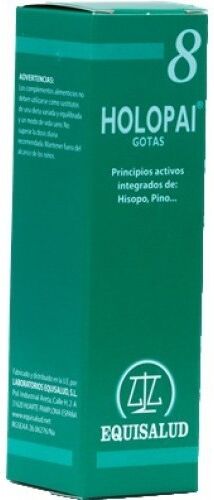
Equisalud Pai-8 Holopai Bronco Dilator 31 mlNutrition and Supplements Natural Extracts Equisalud Pai-8 Holopai Bronco Dilator 31 ml Take 20 to 30 drops, 3 times per day. Dissolve drops in half a glass of water or juice. In some cases it may be suitable to increase the dosage, which will not cause any side effects.11,82 £*Shipping: 3,99 £Secure redirect to the provider
-
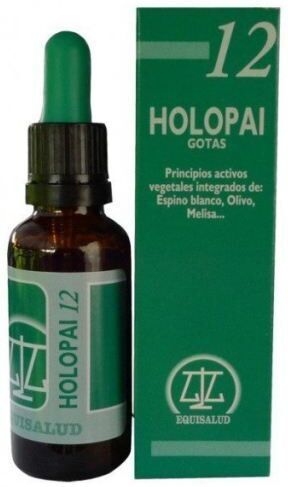
Equisalud Pai-12 Holopai Cardiac Tonic 31 mlNutrition and Supplements Natural Extracts Equisalud Pai-12 Holopai Cardiac Tonic 31 ml Holopai 12. Drops. Diluents: absolute alcohol, water and glycerin. Content: bottle of 31 ml. How to use: take 20 drops (0.7 ml) to 30 drops (1 ml), dissolved in half a glass of water or juice (100 ml). Three times a day. With dropper. Sometimes it will be convenient to increase the frequency of the shots, which does not cause any side effects. Recommended daily amount: from 60 drops (2 ml) to 90 drops (3 ml). Allergens: does not contain gluten. Warnings: food supplement based on plants. Food supplements should not be used as substitutes for a varied and balanced diet. Do not exceed the daily dose expressly recommended. Keep out of the reach of little kids. Ask your doctor and / or pharmacist for advice. Observations: net quantity: approximate 31 ml. It contains approximately 65% alcohol. Conservation: keep the container tightly closed, in a dry and cool place.9,12 £*Shipping: 3,99 £Secure redirect to the provider
-
What tools, materials, and equipment do teachers work with?
Teachers work with a variety of tools, materials, and equipment in their daily work. Some common tools include whiteboards, markers, and projectors for delivering lessons. Materials such as textbooks, worksheets, and manipulatives are used to support student learning. Equipment like computers, printers, and audio-visual devices are also essential for creating engaging lessons and activities. Overall, teachers rely on a combination of traditional and modern tools to effectively educate their students. **
-
Does infantile cerebral palsy count as a severe disability?
Yes, infantile cerebral palsy can be considered a severe disability. Cerebral palsy is a group of disorders that affect a person's ability to move and maintain balance and posture. Infantile cerebral palsy specifically refers to the condition that develops in infancy or early childhood. Depending on the severity of the condition, it can significantly impact a person's mobility, coordination, and daily functioning, making it a severe disability for some individuals. **
-
With which work tools, materials, and equipment do teachers work?
Teachers work with a variety of tools, materials, and equipment in their daily tasks. Some common tools include computers, projectors, whiteboards, and pens. Materials can range from textbooks and worksheets to art supplies and science equipment. Additionally, teachers may use equipment such as printers, laminators, and document cameras to enhance their teaching methods and create engaging learning experiences for students. **
-
Why does the cerebral cortex have an enlarged surface area?
The cerebral cortex has an enlarged surface area to accommodate a greater number of neurons and synapses, allowing for more complex cognitive functions. This increased surface area also enables more efficient communication between different regions of the brain, enhancing information processing and integration. The folding of the cerebral cortex into gyri and sulci further increases its surface area within the limited space of the skull, maximizing its capacity for higher-order thinking and decision-making. **
* All prices are inclusive of VAT and, if applicable, plus shipping costs. The offer information is based on the details provided by the respective shop and is updated through automated processes. Real-time updates do not occur, so deviations can occur in individual cases. ** Note: Parts of this content were created by AI.