Buy hohn.eu ?
We are moving the project
hohn.eu .
Are you interested in purchasing the domain
hohn.eu ?
domain@kv-gmbh.de · 0541-91531010
Buy hohn.eu ?
Can organic cotton melt?
No, organic cotton cannot melt. Cotton is a natural fiber made from the seedpod of the cotton plant, and it is not a synthetic material that can melt when exposed to high heat. Instead, cotton can ignite and burn when exposed to a flame or high temperatures. It is important to handle cotton with care around heat sources to avoid the risk of fire. **
Does organic cotton shrink after washing?
Yes, organic cotton can shrink after washing. Like all cotton fabrics, organic cotton is prone to shrinking when exposed to heat and moisture. To minimize shrinkage, it is recommended to wash organic cotton in cold water and air dry or use a low heat setting in the dryer. Additionally, pre-shrinking the fabric before sewing or wearing can help reduce further shrinkage. **

Similar search terms for Organyc-Organic-Cotton-Nigth
Top-Angebote
Products related to Organyc-Organic-Cotton-Nigth:
-
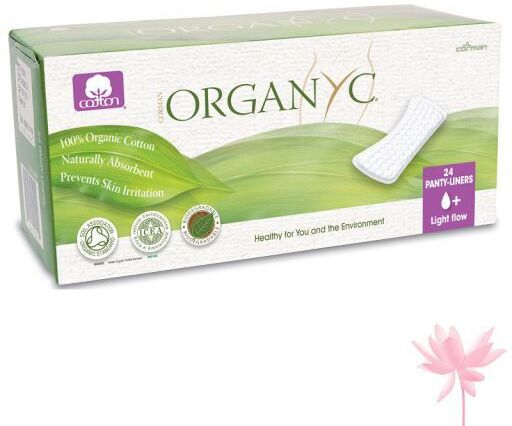
Organyc Panty liners with organic cotton flat 24 UnitsHealth and Beauty Intimate hygiene Organyc Panty liners with organic cotton flat 24 Units Made with 100% organic cotton, with organic cotton top sheet and absorbent core. Highly absorbent. Hypoallergenic and breathable. Anatomic design.3,63 £*Shipping: 3,99 £Secure redirect to the provider
-
Organyc Tampons 100% Organic Cotton No Applicator 16 UnitsHealth and Beauty Intimate hygiene Organyc Tampons 100% Organic Cotton No Applicator 16 Units This tampon is ideal for women who wants to avoid contact with synthetic materials. The absorbent core is made with only organic cotton fibers that are ideal for sensitive skins, breathable and hypoallergenic. Individual wrap.4,19 £*Shipping: 3,99 £Secure redirect to the provider
-
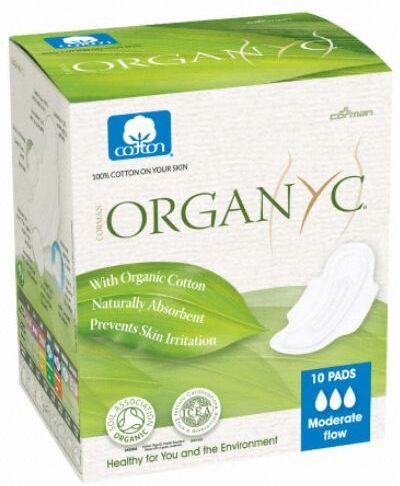
Organyc Day Compresses with Wings Organic Cotton 10 udsHealth and Beauty Intimate hygiene Organyc Day Compresses with Wings Organic Cotton 10 uds Organyc normal 10 unit sanitary pads are suitable for women who wish to avoid any contact with synthetic materials, so it is important to feel fresh, safe and clean during menstruation. Ultra-thin, comfortable pads that take the shape of the body. Provide reliable protection against leaks. Hypoallergenic. Contains no petrochemical adsorbents. Fragrance-free. You will feel the benefits of the Organyc line in the first month of use. Chlorine-free bleaching. Biodegradable. The use of Organyc pads prevents the appearance of atopic vaginal dermatitis. The units come in individual bags for convenience.3,73 £*Shipping: 3,99 £Secure redirect to the provider
-
Organyc Panty liners with organic cotton folded 24 UnitsHealth and Beauty Intimate hygiene Organyc Panty liners with organic cotton folded 24 Units Made with 100% organic cotton, with organic cotton top sheet and absorbent core. Highly absorbent. Hypoallergenic and breathable. Anatomic design. Folded and individually wrapped in Mater-bi pouch.3,73 £*Shipping: 3,99 £Secure redirect to the provider


-
Do you buy products made with organic cotton?
As an AI language model, I do not buy products, but I can provide information on the topic. Many people choose to buy products made with organic cotton due to its environmental and social benefits. Organic cotton is grown without the use of synthetic pesticides or fertilizers, which reduces the environmental impact of cotton production. Additionally, organic cotton farming promotes healthier soil and water conservation. These factors make organic cotton products appealing to those who prioritize sustainability and ethical production practices. **
-
What materials are available for bathrobes, cotton or fleece?
Bathrobes are available in both cotton and fleece materials. Cotton bathrobes are lightweight, breathable, and absorbent, making them a popular choice for warmer climates or after a shower. Fleece bathrobes, on the other hand, are soft, warm, and cozy, making them ideal for colder weather or lounging around the house. Both materials have their own unique benefits, so the choice between cotton and fleece ultimately depends on personal preference and the intended use of the bathrobe. **
-
What materials is underwear made of, cotton or others?
Underwear can be made from a variety of materials, including cotton, nylon, polyester, silk, and spandex. Cotton is a popular choice for underwear because it is breathable, soft, and comfortable. However, other materials like nylon and polyester are often used for their moisture-wicking and quick-drying properties. Some underwear also contains spandex for stretch and flexibility. Ultimately, the choice of material depends on personal preference and the specific needs of the wearer. **
-
What tools, materials, and equipment do teachers work with?
Teachers work with a variety of tools, materials, and equipment in their daily work. Some common tools include whiteboards, markers, and projectors for delivering lessons. Materials such as textbooks, worksheets, and manipulatives are used to support student learning. Equipment like computers, printers, and audio-visual devices are also essential for creating engaging lessons and activities. Overall, teachers rely on a combination of traditional and modern tools to effectively educate their students. **

Why is organic chemistry called organic chemistry?
Organic chemistry is called so because it was originally believed that compounds found in living organisms could only be produced by living organisms, and were therefore called "organic" compounds. This belief was later disproven, but the name stuck. Organic chemistry is the study of carbon-containing compounds, which are abundant in living organisms, and it focuses on the structure, properties, and reactions of these compounds. **
What is the difference between inorganic and organic building materials?
Inorganic building materials are derived from non-living sources such as rocks, minerals, and metals. They are typically more durable and resistant to environmental factors such as fire, water, and pests. Examples of inorganic building materials include concrete, steel, and glass. Organic building materials, on the other hand, are derived from living sources such as plants and animals. They are often more sustainable and environmentally friendly, but may be more susceptible to decay and damage from environmental factors. Examples of organic building materials include wood, bamboo, and straw. Overall, the main difference between inorganic and organic building materials lies in their source and properties, with inorganic materials being more durable and resistant, while organic materials are often more sustainable and environmentally friendly. **
Top-Angebote
Products related to Organyc-Organic-Cotton-Nigth:
-
Organyc Organic Cotton Nigth Compresses with Wings 10 udsHealth and Beauty Intimate hygiene Organyc Organic Cotton Nigth Compresses with Wings 10 uds Organic cotton compresses with superabsorbent wings special for the night or for periods with abundant flow. Suitable for women who want to avoid any contact with synthetic materials, so it is important to feel fresh, safe and clean during menstruation. Ultra-thin, comfortable pads that take the shape of the body. Provide reliable protection against leaks. Hypoallergenic. Contains no petrochemical adsorbents. Fragrance-free. You will feel the benefits of the Organyc line in the first month of use. Chlorine-free bleaching. Biodegradable. The use of Organyc pads prevents the appearance of atopic vaginal dermatitis. The units come in individual bags for convenience.5,17 £*Shipping: 3,99 £Secure redirect to the provider
-
Organyc Panty liners with organic cotton flat 24 UnitsHealth and Beauty Intimate hygiene Organyc Panty liners with organic cotton flat 24 Units Made with 100% organic cotton, with organic cotton top sheet and absorbent core. Highly absorbent. Hypoallergenic and breathable. Anatomic design.3,63 £*Shipping: 3,99 £Secure redirect to the provider
-
Organyc Tampons 100% Organic Cotton No Applicator 16 UnitsHealth and Beauty Intimate hygiene Organyc Tampons 100% Organic Cotton No Applicator 16 Units This tampon is ideal for women who wants to avoid contact with synthetic materials. The absorbent core is made with only organic cotton fibers that are ideal for sensitive skins, breathable and hypoallergenic. Individual wrap.4,19 £*Shipping: 3,99 £Secure redirect to the provider
-
Can organic cotton melt?
No, organic cotton cannot melt. Cotton is a natural fiber made from the seedpod of the cotton plant, and it is not a synthetic material that can melt when exposed to high heat. Instead, cotton can ignite and burn when exposed to a flame or high temperatures. It is important to handle cotton with care around heat sources to avoid the risk of fire. **
-
Does organic cotton shrink after washing?
Yes, organic cotton can shrink after washing. Like all cotton fabrics, organic cotton is prone to shrinking when exposed to heat and moisture. To minimize shrinkage, it is recommended to wash organic cotton in cold water and air dry or use a low heat setting in the dryer. Additionally, pre-shrinking the fabric before sewing or wearing can help reduce further shrinkage. **
-
Do you buy products made with organic cotton?
As an AI language model, I do not buy products, but I can provide information on the topic. Many people choose to buy products made with organic cotton due to its environmental and social benefits. Organic cotton is grown without the use of synthetic pesticides or fertilizers, which reduces the environmental impact of cotton production. Additionally, organic cotton farming promotes healthier soil and water conservation. These factors make organic cotton products appealing to those who prioritize sustainability and ethical production practices. **
-
What materials are available for bathrobes, cotton or fleece?
Bathrobes are available in both cotton and fleece materials. Cotton bathrobes are lightweight, breathable, and absorbent, making them a popular choice for warmer climates or after a shower. Fleece bathrobes, on the other hand, are soft, warm, and cozy, making them ideal for colder weather or lounging around the house. Both materials have their own unique benefits, so the choice between cotton and fleece ultimately depends on personal preference and the intended use of the bathrobe. **
Similar search terms for Organyc-Organic-Cotton-Nigth
-
Organyc Day Compresses with Wings Organic Cotton 10 udsHealth and Beauty Intimate hygiene Organyc Day Compresses with Wings Organic Cotton 10 uds Organyc normal 10 unit sanitary pads are suitable for women who wish to avoid any contact with synthetic materials, so it is important to feel fresh, safe and clean during menstruation. Ultra-thin, comfortable pads that take the shape of the body. Provide reliable protection against leaks. Hypoallergenic. Contains no petrochemical adsorbents. Fragrance-free. You will feel the benefits of the Organyc line in the first month of use. Chlorine-free bleaching. Biodegradable. The use of Organyc pads prevents the appearance of atopic vaginal dermatitis. The units come in individual bags for convenience.3,73 £*Shipping: 3,99 £Secure redirect to the provider
-
Organyc Panty liners with organic cotton folded 24 UnitsHealth and Beauty Intimate hygiene Organyc Panty liners with organic cotton folded 24 Units Made with 100% organic cotton, with organic cotton top sheet and absorbent core. Highly absorbent. Hypoallergenic and breathable. Anatomic design. Folded and individually wrapped in Mater-bi pouch.3,73 £*Shipping: 3,99 £Secure redirect to the provider
-
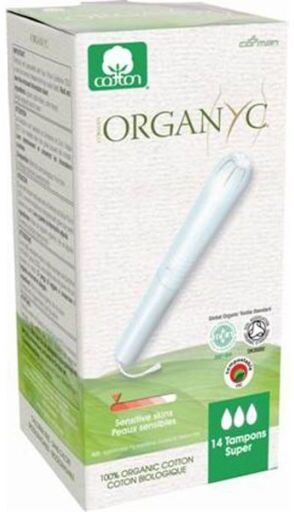
Organyc Organic 100% cotton tampons with applicator Super 14 UnitsHealth and Beauty Intimate hygiene Organyc Organic 100% cotton tampons with applicator Super 14 Units This tampon is ideal for women who wants to avoid contact with synthetic materials. The absorbent core is made with only organic cotton fibers that are ideal for sensitive skins, breathable and hypoallergenic. With protective layer in organic cotton. The cardboard applicator allows an easy and safe insertion. Individual paper wrap.4,93 £*Shipping: 3,99 £Secure redirect to the provider
-
Organyc Organic Cotton 100% tampons with applicator regular 16 UnitsHealth and Beauty Intimate hygiene Organyc Organic Cotton 100% tampons with applicator regular 16 Units This tampon is ideal for women who wants to avoid contact with synthetic materials. The absorbent core is made with only organic cotton fibers that are ideal for sensitive skins, breathable and hypoallergenic. With protective layer in organic cotton. The cardboard applicator allows an easy and safe insertion. Individual paper wrap.4,83 £*Shipping: 3,99 £Secure redirect to the provider
-
What materials is underwear made of, cotton or others?
Underwear can be made from a variety of materials, including cotton, nylon, polyester, silk, and spandex. Cotton is a popular choice for underwear because it is breathable, soft, and comfortable. However, other materials like nylon and polyester are often used for their moisture-wicking and quick-drying properties. Some underwear also contains spandex for stretch and flexibility. Ultimately, the choice of material depends on personal preference and the specific needs of the wearer. **
-
What tools, materials, and equipment do teachers work with?
Teachers work with a variety of tools, materials, and equipment in their daily work. Some common tools include whiteboards, markers, and projectors for delivering lessons. Materials such as textbooks, worksheets, and manipulatives are used to support student learning. Equipment like computers, printers, and audio-visual devices are also essential for creating engaging lessons and activities. Overall, teachers rely on a combination of traditional and modern tools to effectively educate their students. **
-
Why is organic chemistry called organic chemistry?
Organic chemistry is called so because it was originally believed that compounds found in living organisms could only be produced by living organisms, and were therefore called "organic" compounds. This belief was later disproven, but the name stuck. Organic chemistry is the study of carbon-containing compounds, which are abundant in living organisms, and it focuses on the structure, properties, and reactions of these compounds. **
-
What is the difference between inorganic and organic building materials?
Inorganic building materials are derived from non-living sources such as rocks, minerals, and metals. They are typically more durable and resistant to environmental factors such as fire, water, and pests. Examples of inorganic building materials include concrete, steel, and glass. Organic building materials, on the other hand, are derived from living sources such as plants and animals. They are often more sustainable and environmentally friendly, but may be more susceptible to decay and damage from environmental factors. Examples of organic building materials include wood, bamboo, and straw. Overall, the main difference between inorganic and organic building materials lies in their source and properties, with inorganic materials being more durable and resistant, while organic materials are often more sustainable and environmentally friendly. **
* All prices are inclusive of VAT and, if applicable, plus shipping costs. The offer information is based on the details provided by the respective shop and is updated through automated processes. Real-time updates do not occur, so deviations can occur in individual cases. ** Note: Parts of this content were created by AI.