Buy hohn.eu ?
We are moving the project
hohn.eu .
Are you interested in purchasing the domain
hohn.eu ?
domain@kv-gmbh.de · 0541-91531010
Buy hohn.eu ?
What distinguishes an LDR resistor from an NTC resistor?
An LDR (Light Dependent Resistor) is a type of resistor whose resistance decreases with an increase in the intensity of light. On the other hand, an NTC (Negative Temperature Coefficient) resistor is a type of resistor whose resistance decreases as the temperature increases. Therefore, the main distinguishing factor between the two is the parameter that affects their resistance - light intensity for LDR and temperature for NTC resistors. **
What tools, materials, and equipment do teachers work with?
Teachers work with a variety of tools, materials, and equipment in their daily work. Some common tools include whiteboards, markers, and projectors for delivering lessons. Materials such as textbooks, worksheets, and manipulatives are used to support student learning. Equipment like computers, printers, and audio-visual devices are also essential for creating engaging lessons and activities. Overall, teachers rely on a combination of traditional and modern tools to effectively educate their students. **
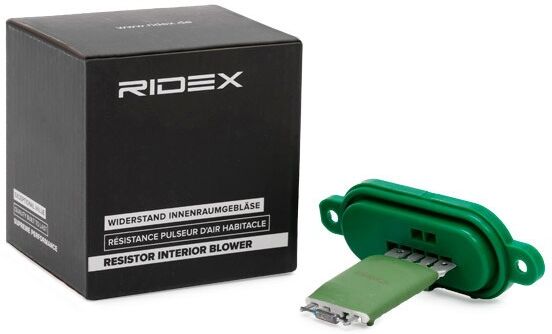

Similar search terms for Resistor
Top-Angebote
Products related to Resistor:
-
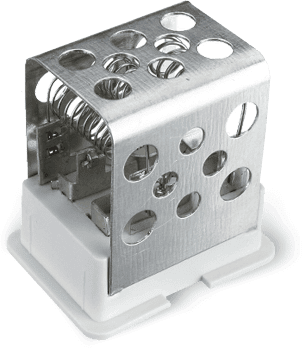
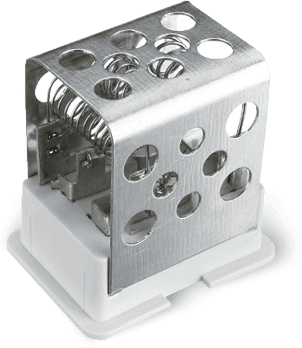
METZGER 0917211 Blower motor resistorNumber of pins: 4; Voltage [V]: 12; Power [W]: 200; Vehicle Equipment: for vehicles with air conditioning, for vehicles without air conditioning; Vehicle Equipment Line/Trim Level: LS, LX, LSE, ELEFANT ROT13,49 £*Shipping: 8,45 £Secure redirect to the provider
-
PREXAparts P105001 Blower motor resistorWeight [kg]: 0,048; TecDoc Engine Number: 23520, 23178, 24600, 24315, 23179, 26574, 20792, 20855, 22640, 22542, 24835, 30261, 21075, 25006, 25468, 20606, 21734, 26924, 26572, 27206, 27205, 27529, 28213, 29249, 31240, 31241, 30995, 33097, 31428, 32104, 32528, 31239; Construction Year to: 06/201512,49 £*Shipping: 8,45 £Secure redirect to the provider


-
What are the tolerances for resistor chains and resistor cubes?
The tolerances for resistor chains and resistor cubes typically depend on the specific manufacturer and type of resistor used. However, in general, the tolerances for resistor chains and cubes are usually around 1-5%. This means that the actual resistance of the chain or cube may vary from the specified value by up to 1-5%. It is important to consider these tolerances when designing circuits to ensure accurate performance. **
-
Is this a resistor?
No, this is not a resistor. Resistors are electronic components that limit the flow of electric current in a circuit. The image provided does not show a resistor, but rather a capacitor. Capacitors store and release electrical energy in a circuit, functioning differently from resistors. **
-
With which work tools, materials, and equipment do teachers work?
Teachers work with a variety of tools, materials, and equipment in their daily tasks. Some common tools include computers, projectors, whiteboards, and pens. Materials can range from textbooks and worksheets to art supplies and science equipment. Additionally, teachers may use equipment such as printers, laminators, and document cameras to enhance their teaching methods and create engaging learning experiences for students. **
-
What is the difference between a load resistor and a regular resistor?
A load resistor is specifically designed to simulate the presence of a device in an electrical circuit, such as a light bulb or a motor, to ensure proper functioning of the circuit. It is used to test the performance of the circuit under different conditions. On the other hand, a regular resistor is a general-purpose component used to limit current, divide voltage, or provide biasing in a circuit. While both resistors resist the flow of current, a load resistor is tailored for specific testing purposes, whereas a regular resistor has a broader range of applications in electronic circuits. **

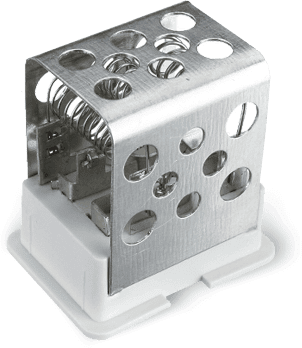
Is the LED current-limiting resistor as good as the pre-resistor?
The LED current-limiting resistor is not as good as the pre-resistor. The pre-resistor is specifically designed to limit the current flowing through the LED to a safe level, ensuring that the LED operates within its specified parameters. On the other hand, a regular current-limiting resistor may not provide the precise current regulation needed for the LED, leading to potential overcurrent and damage to the LED. Therefore, it is important to use the pre-resistor recommended by the LED manufacturer for optimal performance and longevity of the LED. **
How long is a resistor?
The length of a resistor can vary depending on its power rating and wattage. However, a standard resistor is typically around 0.25 inches to 1 inch in length. The length of a resistor is not the most important factor in determining its functionality, as its resistance value and power rating are more critical for its proper operation in an electrical circuit. **
Top-Angebote
Products related to Resistor:
-
What distinguishes an LDR resistor from an NTC resistor?
An LDR (Light Dependent Resistor) is a type of resistor whose resistance decreases with an increase in the intensity of light. On the other hand, an NTC (Negative Temperature Coefficient) resistor is a type of resistor whose resistance decreases as the temperature increases. Therefore, the main distinguishing factor between the two is the parameter that affects their resistance - light intensity for LDR and temperature for NTC resistors. **
-
What tools, materials, and equipment do teachers work with?
Teachers work with a variety of tools, materials, and equipment in their daily work. Some common tools include whiteboards, markers, and projectors for delivering lessons. Materials such as textbooks, worksheets, and manipulatives are used to support student learning. Equipment like computers, printers, and audio-visual devices are also essential for creating engaging lessons and activities. Overall, teachers rely on a combination of traditional and modern tools to effectively educate their students. **
-
What are the tolerances for resistor chains and resistor cubes?
The tolerances for resistor chains and resistor cubes typically depend on the specific manufacturer and type of resistor used. However, in general, the tolerances for resistor chains and cubes are usually around 1-5%. This means that the actual resistance of the chain or cube may vary from the specified value by up to 1-5%. It is important to consider these tolerances when designing circuits to ensure accurate performance. **
-
Is this a resistor?
No, this is not a resistor. Resistors are electronic components that limit the flow of electric current in a circuit. The image provided does not show a resistor, but rather a capacitor. Capacitors store and release electrical energy in a circuit, functioning differently from resistors. **
Similar search terms for Resistor
-
METZGER 0917211 Blower motor resistorNumber of pins: 4; Voltage [V]: 12; Power [W]: 200; Vehicle Equipment: for vehicles with air conditioning, for vehicles without air conditioning; Vehicle Equipment Line/Trim Level: LS, LX, LSE, ELEFANT ROT13,49 £*Shipping: 8,45 £Secure redirect to the provider
-
PREXAparts P105001 Blower motor resistorWeight [kg]: 0,048; TecDoc Engine Number: 23520, 23178, 24600, 24315, 23179, 26574, 20792, 20855, 22640, 22542, 24835, 30261, 21075, 25006, 25468, 20606, 21734, 26924, 26572, 27206, 27205, 27529, 28213, 29249, 31240, 31241, 30995, 33097, 31428, 32104, 32528, 31239; Construction Year to: 06/201512,49 £*Shipping: 8,45 £Secure redirect to the provider
-
With which work tools, materials, and equipment do teachers work?
Teachers work with a variety of tools, materials, and equipment in their daily tasks. Some common tools include computers, projectors, whiteboards, and pens. Materials can range from textbooks and worksheets to art supplies and science equipment. Additionally, teachers may use equipment such as printers, laminators, and document cameras to enhance their teaching methods and create engaging learning experiences for students. **
-
What is the difference between a load resistor and a regular resistor?
A load resistor is specifically designed to simulate the presence of a device in an electrical circuit, such as a light bulb or a motor, to ensure proper functioning of the circuit. It is used to test the performance of the circuit under different conditions. On the other hand, a regular resistor is a general-purpose component used to limit current, divide voltage, or provide biasing in a circuit. While both resistors resist the flow of current, a load resistor is tailored for specific testing purposes, whereas a regular resistor has a broader range of applications in electronic circuits. **
-
Is the LED current-limiting resistor as good as the pre-resistor?
The LED current-limiting resistor is not as good as the pre-resistor. The pre-resistor is specifically designed to limit the current flowing through the LED to a safe level, ensuring that the LED operates within its specified parameters. On the other hand, a regular current-limiting resistor may not provide the precise current regulation needed for the LED, leading to potential overcurrent and damage to the LED. Therefore, it is important to use the pre-resistor recommended by the LED manufacturer for optimal performance and longevity of the LED. **
-
How long is a resistor?
The length of a resistor can vary depending on its power rating and wattage. However, a standard resistor is typically around 0.25 inches to 1 inch in length. The length of a resistor is not the most important factor in determining its functionality, as its resistance value and power rating are more critical for its proper operation in an electrical circuit. **
* All prices are inclusive of VAT and, if applicable, plus shipping costs. The offer information is based on the details provided by the respective shop and is updated through automated processes. Real-time updates do not occur, so deviations can occur in individual cases. ** Note: Parts of this content were created by AI.