Buy hohn.eu ?
We are moving the project
hohn.eu .
Are you interested in purchasing the domain
hohn.eu ?
domain@kv-gmbh.de · 0541-91531010
Buy hohn.eu ?
Is silicon dioxide dangerous?
Silicon dioxide, also known as silica, is generally considered to be safe in its natural form. However, prolonged exposure to crystalline silica dust, such as in industrial settings like mining or construction, can pose health risks. Inhalation of crystalline silica dust can lead to respiratory issues and lung diseases such as silicosis. It is important to take proper precautions and use protective equipment when working with crystalline silica to minimize the risk of exposure. **
How many silicon atoms are there in a cubic millimeter of silicon?
A cubic millimeter of silicon contains approximately 8.4 x 10^19 silicon atoms. This calculation is based on the density of silicon, which is 2.33 grams per cubic centimeter, and the molar mass of silicon, which is 28.0855 grams per mole. Using Avogadro's number, we can determine that there are approximately 5 x 10^22 atoms in one mole of silicon. Therefore, in a cubic millimeter of silicon, there are approximately 8.4 x 10^19 silicon atoms. **
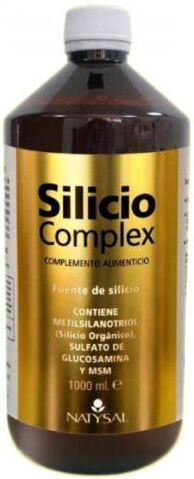
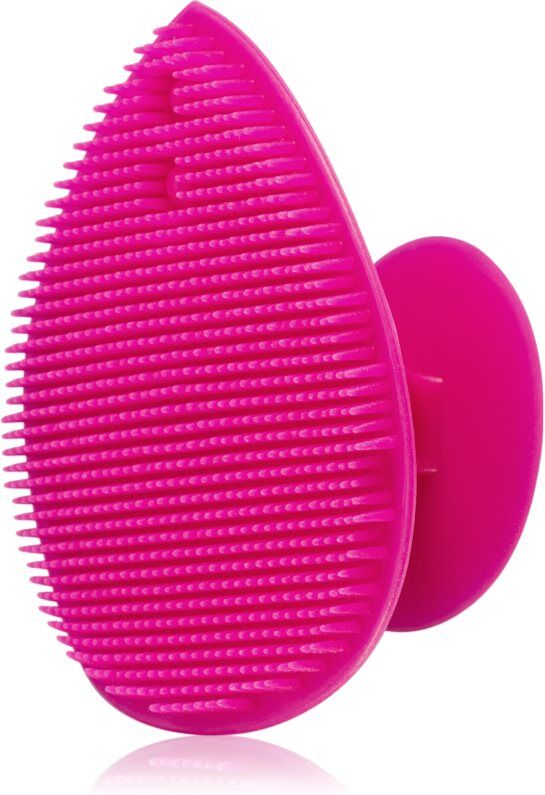
Similar search terms for Silicon
Top-Angebote
Products related to Silicon:
-
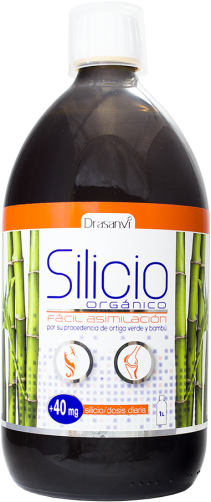
Drasanvi Organic Silicon 1LNutrition and Supplements Vitamins and minerals Drasanvi Organic Silicon 1L Silicon is present in the body in very small quantities. It is the second most abundant element in the Earth's crust, accounting for 27.7% by weight, after oxygen. How to use Take 30 ml a day, using the measuring cup. We recommend consuming it on an empty stomach. Presentation 1 L (35.1 fl. oz) glass bottle Additional data: Organic Silicon dissolved in water Organic silicon dissolved in water is the form most easily absorbed in the intestine. This type of silicon is found in plants and microorganisms, which are the only living organisms capable of transforming mineral silicon into organic silicon. Contribution of silicon in organic form from dry extracts In our Organic Silicon, we provide silicon from plants in the form of dry extracts. The extract presentation allows the product to be concentrated, achieving the same result using a smaller amount. The term "dry extract" refers to a specific extraction process, in which the active ingredients of interest are retained and impurities and other undesirable substances are eliminated. The use of plant extracts has several advantages over powdered plants: The active ingredient content can be precisely determined (standardized extracts). Products based on plant extracts are more concentrated than those made from whole plant powder (concentrated and easy-to-take dose). The assimilation of the active ingredients alone is easier than the assimilation of all the compounds in a plant. Impurities and fibers present in the whole powder. Standardized extracts Another of the most important advantages of our formulation is the use of standardized extracts, which means that the plants used always provide a known and constant amount of organic silicon. In our case, silicon is obtained from two extracts, which are: Bamboo Dry Extract, with 75% silica, which means that 52.03 mg of extract provides 39.02 mg of silica. Green Nettle Dry Extract, with 2% silica, so 86.71 mg of extract provides 1.73 mg of silica. High amount of Silicon The daily amount of Silicon per daily dose is one of the highest on the market, being more than 40 mg of silicon per day. No colorings, flavorings or sweeteners Our organic silicon does not contain any colorants, flavorings, sugars, or sweeteners.26,77 £*Shipping: 4,99 £Secure redirect to the provider
-
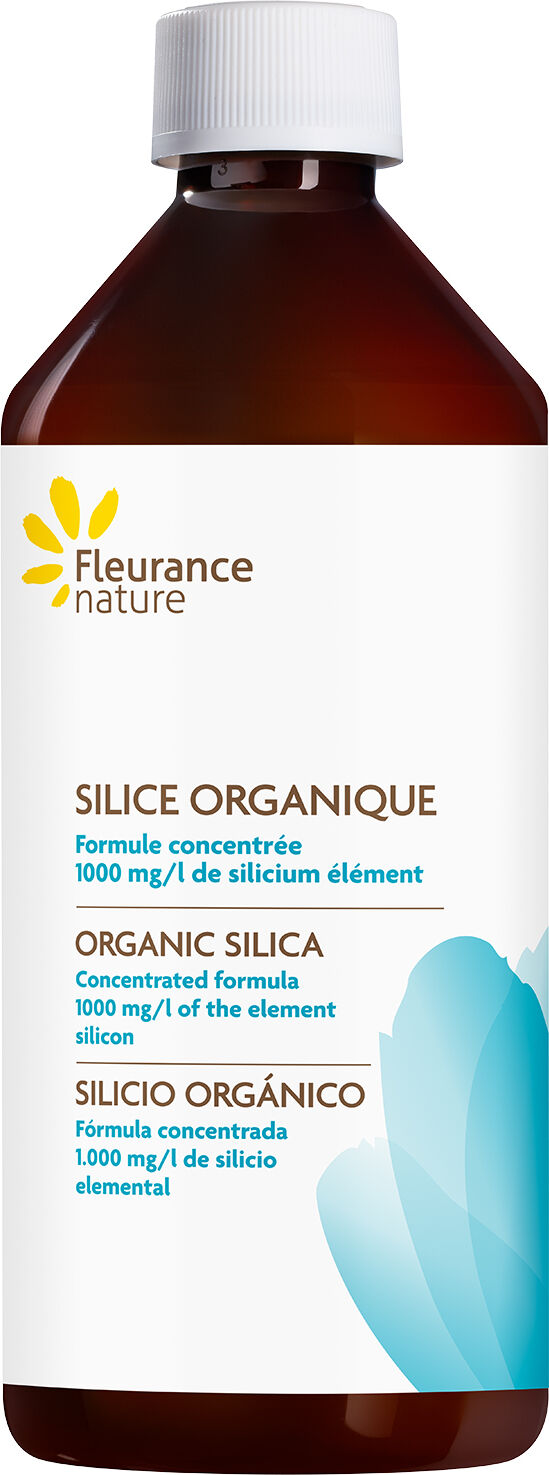
Fleurance Nature Organic siliconNutrition and Supplements Vitamins and minerals Fleurance Nature Organic silicon Organic silicon: Bones, joints, hair and nails, skin, arteries -Formula more assimilable by the body -Optimal concentration in silicon of 1,000 mg / L -For 25 days Trace element found in the main supporting tissues and plays specific roles to the body Only silicon in the form of organic silicon has been proven to be truly bioavailable. The European Food Safety Authority (EFSA) recognizes that orthosilicic acid stabilized by choline (which is included in the composition of our product) is one of the most easily assimilated forms of silicon by our organisms. Natural form of silicon dioxide (SiO2) that is included in the composition of many minerals. Naturally present in the human body, especially in the main supporting tissues such as muscles, bones or cartilage. Over the years, the 2 natural phenomena of loss of bone density and decrease in the concentration of silicon in our tissues weaken our good bone health. Hence the interest of an optimal contribution in silicon. Silicon, an important trace mineral, is also present in many foods and generally in higher amounts in unrefined and whole foods. We also find silicon in the skin of fruit and vegetables or even in plants such as nettle, bamboo, horsetail ...14,32 £*Shipping: 3,99 £Secure redirect to the provider
-
Nunaat Silicon Mask 250 grHealth and Beauty Masks Nunaat Silicon Mask 250 gr Advanced formula mask with emollients that restore and repair hair giving it a natural shine with this intense conditioner. How to use: Leave on for 10-20 minutes. Rinse with plenty of water.3,83 £*Shipping: 3,99 £Secure redirect to the provider
-
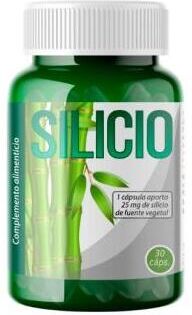
SaludAlkalina Organic Silicon 30 CapsulesNutrition and Supplements Vitamins and minerals SaludAlkalina Organic Silicon 30 Capsules Silicon contributes to the normal maintenance of bones and collagen, as well as maintaining nails and hair in normal conditions. Instructions for use: Take 1 capsule a day, preferably in the morning.15,90 £*Shipping: 3,99 £Secure redirect to the provider

-
What are carbon and silicon?
Carbon and silicon are both chemical elements that belong to the same group on the periodic table, known as group 14. They are both non-metallic elements and have similar chemical properties. Carbon is well-known for its ability to form long chains and complex structures, making it essential for life as we know it. Silicon is also important in nature and is commonly found in minerals and rocks, and it is widely used in the electronics industry for making semiconductors. **
-
What does Silicon Valley look like?
Silicon Valley is a region in Northern California known for its high concentration of technology companies and startups. The landscape is characterized by sprawling office campuses, modern buildings, and a network of highways connecting various cities within the region. The area is also known for its vibrant entrepreneurial culture, with many tech giants like Google, Apple, and Facebook headquartered there. Overall, Silicon Valley has a fast-paced, innovative atmosphere that attracts tech talent from around the world. **
-
How harmful is silica (silicon dioxide)?
Silica, or silicon dioxide, can be harmful if inhaled in large amounts over a long period of time. Prolonged exposure to airborne silica dust can cause lung diseases such as silicosis, lung cancer, and other respiratory issues. It is important to take precautions when working with materials that contain silica, such as wearing proper protective equipment and following safety guidelines to minimize exposure. Overall, while silica can be harmful, the risk can be managed with proper safety measures in place. **
-
What is a carbon-silicon group?
A carbon-silicon group, also known as an organosilicon compound, is a chemical compound that contains a covalent bond between carbon and silicon atoms. These compounds are commonly used in a variety of industrial applications, including in the production of silicone polymers, sealants, adhesives, and lubricants. The unique properties of carbon-silicon compounds, such as their thermal stability, resistance to oxidation, and flexibility, make them valuable in a wide range of technological and commercial applications. **

What tools, materials, and equipment do teachers work with?
Teachers work with a variety of tools, materials, and equipment in their daily work. Some common tools include whiteboards, markers, and projectors for delivering lessons. Materials such as textbooks, worksheets, and manipulatives are used to support student learning. Equipment like computers, printers, and audio-visual devices are also essential for creating engaging lessons and activities. Overall, teachers rely on a combination of traditional and modern tools to effectively educate their students. **
With which work tools, materials, and equipment do teachers work?
Teachers work with a variety of tools, materials, and equipment in their daily tasks. Some common tools include computers, projectors, whiteboards, and pens. Materials can range from textbooks and worksheets to art supplies and science equipment. Additionally, teachers may use equipment such as printers, laminators, and document cameras to enhance their teaching methods and create engaging learning experiences for students. **
Top-Angebote
Products related to Silicon:
-
Gabriella Salvete Tools Cleansing Silicon Brush skin cleansing brush 1 pcGabriella Salvete Tools Cleansing Silicon Brush, 1 pc, Cleansing for Women, Aside from makeup remnants, sebum and sweat, various contaminants also tend to build up on makeup brushes over time, which is why it is very important to clean them regularly. The Gabriella Salvete Tools Cleansing Silicon Brush will help you remove all traces of makeup from your brushes, keeping them clean and extending their life. It also ensures that you can use the same brush for applying dark blue eyeshadow, for example, as well as beige shades. Or even doing your friend’s makeup without any worries. Characteristics: cleans brushes thoroughly product suitable for cleaning smaller and larger brushes removes makeup residue from brushes How to use: Use together with your usual product to wash brushes thoroughly.3,40 £*Shipping: 3,99 £Secure redirect to the provider
-
Drasanvi Organic Silicon 1LNutrition and Supplements Vitamins and minerals Drasanvi Organic Silicon 1L Silicon is present in the body in very small quantities. It is the second most abundant element in the Earth's crust, accounting for 27.7% by weight, after oxygen. How to use Take 30 ml a day, using the measuring cup. We recommend consuming it on an empty stomach. Presentation 1 L (35.1 fl. oz) glass bottle Additional data: Organic Silicon dissolved in water Organic silicon dissolved in water is the form most easily absorbed in the intestine. This type of silicon is found in plants and microorganisms, which are the only living organisms capable of transforming mineral silicon into organic silicon. Contribution of silicon in organic form from dry extracts In our Organic Silicon, we provide silicon from plants in the form of dry extracts. The extract presentation allows the product to be concentrated, achieving the same result using a smaller amount. The term "dry extract" refers to a specific extraction process, in which the active ingredients of interest are retained and impurities and other undesirable substances are eliminated. The use of plant extracts has several advantages over powdered plants: The active ingredient content can be precisely determined (standardized extracts). Products based on plant extracts are more concentrated than those made from whole plant powder (concentrated and easy-to-take dose). The assimilation of the active ingredients alone is easier than the assimilation of all the compounds in a plant. Impurities and fibers present in the whole powder. Standardized extracts Another of the most important advantages of our formulation is the use of standardized extracts, which means that the plants used always provide a known and constant amount of organic silicon. In our case, silicon is obtained from two extracts, which are: Bamboo Dry Extract, with 75% silica, which means that 52.03 mg of extract provides 39.02 mg of silica. Green Nettle Dry Extract, with 2% silica, so 86.71 mg of extract provides 1.73 mg of silica. High amount of Silicon The daily amount of Silicon per daily dose is one of the highest on the market, being more than 40 mg of silicon per day. No colorings, flavorings or sweeteners Our organic silicon does not contain any colorants, flavorings, sugars, or sweeteners.26,77 £*Shipping: 4,99 £Secure redirect to the provider
-
Fleurance Nature Organic siliconNutrition and Supplements Vitamins and minerals Fleurance Nature Organic silicon Organic silicon: Bones, joints, hair and nails, skin, arteries -Formula more assimilable by the body -Optimal concentration in silicon of 1,000 mg / L -For 25 days Trace element found in the main supporting tissues and plays specific roles to the body Only silicon in the form of organic silicon has been proven to be truly bioavailable. The European Food Safety Authority (EFSA) recognizes that orthosilicic acid stabilized by choline (which is included in the composition of our product) is one of the most easily assimilated forms of silicon by our organisms. Natural form of silicon dioxide (SiO2) that is included in the composition of many minerals. Naturally present in the human body, especially in the main supporting tissues such as muscles, bones or cartilage. Over the years, the 2 natural phenomena of loss of bone density and decrease in the concentration of silicon in our tissues weaken our good bone health. Hence the interest of an optimal contribution in silicon. Silicon, an important trace mineral, is also present in many foods and generally in higher amounts in unrefined and whole foods. We also find silicon in the skin of fruit and vegetables or even in plants such as nettle, bamboo, horsetail ...14,32 £*Shipping: 3,99 £Secure redirect to the provider
-
Is silicon dioxide dangerous?
Silicon dioxide, also known as silica, is generally considered to be safe in its natural form. However, prolonged exposure to crystalline silica dust, such as in industrial settings like mining or construction, can pose health risks. Inhalation of crystalline silica dust can lead to respiratory issues and lung diseases such as silicosis. It is important to take proper precautions and use protective equipment when working with crystalline silica to minimize the risk of exposure. **
-
How many silicon atoms are there in a cubic millimeter of silicon?
A cubic millimeter of silicon contains approximately 8.4 x 10^19 silicon atoms. This calculation is based on the density of silicon, which is 2.33 grams per cubic centimeter, and the molar mass of silicon, which is 28.0855 grams per mole. Using Avogadro's number, we can determine that there are approximately 5 x 10^22 atoms in one mole of silicon. Therefore, in a cubic millimeter of silicon, there are approximately 8.4 x 10^19 silicon atoms. **
-
What are carbon and silicon?
Carbon and silicon are both chemical elements that belong to the same group on the periodic table, known as group 14. They are both non-metallic elements and have similar chemical properties. Carbon is well-known for its ability to form long chains and complex structures, making it essential for life as we know it. Silicon is also important in nature and is commonly found in minerals and rocks, and it is widely used in the electronics industry for making semiconductors. **
-
What does Silicon Valley look like?
Silicon Valley is a region in Northern California known for its high concentration of technology companies and startups. The landscape is characterized by sprawling office campuses, modern buildings, and a network of highways connecting various cities within the region. The area is also known for its vibrant entrepreneurial culture, with many tech giants like Google, Apple, and Facebook headquartered there. Overall, Silicon Valley has a fast-paced, innovative atmosphere that attracts tech talent from around the world. **
Similar search terms for Silicon
-
Nunaat Silicon Mask 250 grHealth and Beauty Masks Nunaat Silicon Mask 250 gr Advanced formula mask with emollients that restore and repair hair giving it a natural shine with this intense conditioner. How to use: Leave on for 10-20 minutes. Rinse with plenty of water.3,83 £*Shipping: 3,99 £Secure redirect to the provider
-
SaludAlkalina Organic Silicon 30 CapsulesNutrition and Supplements Vitamins and minerals SaludAlkalina Organic Silicon 30 Capsules Silicon contributes to the normal maintenance of bones and collagen, as well as maintaining nails and hair in normal conditions. Instructions for use: Take 1 capsule a day, preferably in the morning.15,90 £*Shipping: 3,99 £Secure redirect to the provider
-
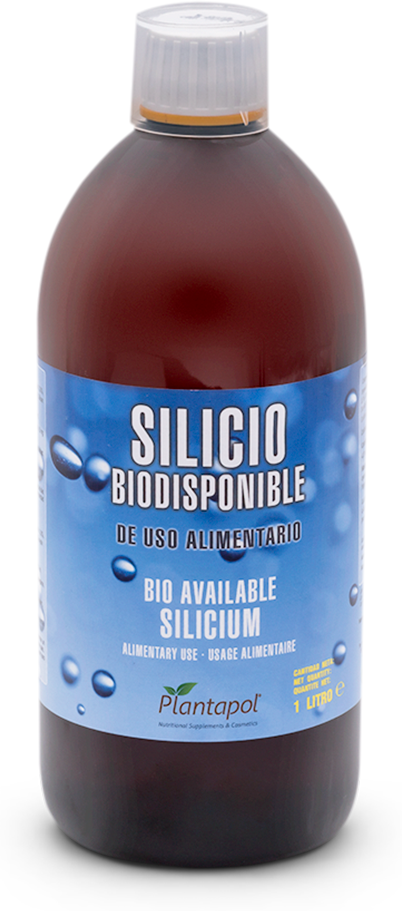
PlantaPol Bioavailable Silicon 1000 mlNutrition and Supplements Vitamins and minerals PlantaPol Bioavailable Silicon 1000 ml Instructions for use: Add 20 ml of organic silicon to 1.5 liters of water and drink throughout the day outside of meals. Or take 10 ml of organic Silicon in the morning on an empty stomach.38,38 £*Shipping: 4,99 £Secure redirect to the provider
-
PlantaPol Bioavailable Silicon 500 mlNutrition and Supplements Vitamins and minerals PlantaPol Bioavailable Silicon 500 ml Instructions for use: Add 20 ml of organic silicon to 1.5 liters of water and drink throughout the day outside of meals. Or take 10 ml of organic Silicon in the morning on an empty stomach.20,92 £*Shipping: 4,99 £Secure redirect to the provider
-
How harmful is silica (silicon dioxide)?
Silica, or silicon dioxide, can be harmful if inhaled in large amounts over a long period of time. Prolonged exposure to airborne silica dust can cause lung diseases such as silicosis, lung cancer, and other respiratory issues. It is important to take precautions when working with materials that contain silica, such as wearing proper protective equipment and following safety guidelines to minimize exposure. Overall, while silica can be harmful, the risk can be managed with proper safety measures in place. **
-
What is a carbon-silicon group?
A carbon-silicon group, also known as an organosilicon compound, is a chemical compound that contains a covalent bond between carbon and silicon atoms. These compounds are commonly used in a variety of industrial applications, including in the production of silicone polymers, sealants, adhesives, and lubricants. The unique properties of carbon-silicon compounds, such as their thermal stability, resistance to oxidation, and flexibility, make them valuable in a wide range of technological and commercial applications. **
-
What tools, materials, and equipment do teachers work with?
Teachers work with a variety of tools, materials, and equipment in their daily work. Some common tools include whiteboards, markers, and projectors for delivering lessons. Materials such as textbooks, worksheets, and manipulatives are used to support student learning. Equipment like computers, printers, and audio-visual devices are also essential for creating engaging lessons and activities. Overall, teachers rely on a combination of traditional and modern tools to effectively educate their students. **
-
With which work tools, materials, and equipment do teachers work?
Teachers work with a variety of tools, materials, and equipment in their daily tasks. Some common tools include computers, projectors, whiteboards, and pens. Materials can range from textbooks and worksheets to art supplies and science equipment. Additionally, teachers may use equipment such as printers, laminators, and document cameras to enhance their teaching methods and create engaging learning experiences for students. **
* All prices are inclusive of VAT and, if applicable, plus shipping costs. The offer information is based on the details provided by the respective shop and is updated through automated processes. Real-time updates do not occur, so deviations can occur in individual cases. ** Note: Parts of this content were created by AI.